



New Delhi, November 27, 2026 (Yes Punjab News)
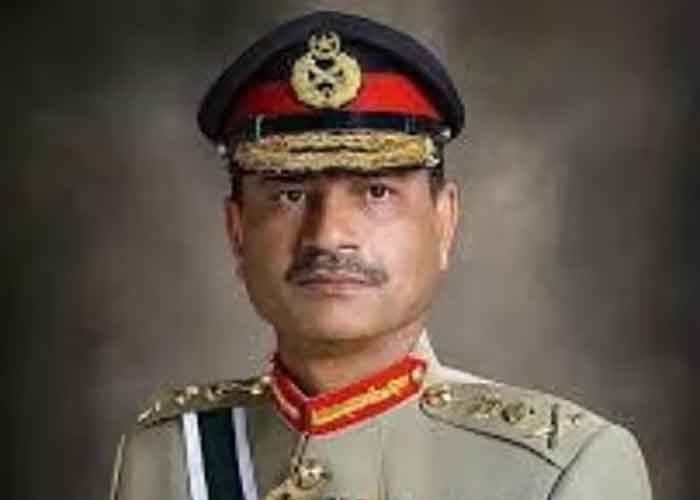
Leaders linked to Lashkar-e-Taiba (LeT) and Jaish-e-Mohammad (JeM) have publicly voiced support for Pakistan Army chief Field Marshal Asim Munir, in what Indian officials describe as a calculated effort to bring terror outfits into mainstream politics and improve the military establishment’s image.
Talha Saeed, son of Lashkar-e-Taiba founder Hafiz Saeed, recently praised Munir during a speech at the Islamic Studies Department of Punjab University. Referring to the army chief as a Hafiz-e-Quran, Talha described him as a gift from God to Pakistan and credited him with improving facilities at religious seminaries. He also criticised social media users targeting Munir, alleging that the attacks were orchestrated.
An Indian official said the outreach was aimed at lending credibility to the Lashkar and raising Munir’s standing at a time when recruitment into the outfit had reportedly declined. Potential recruits have privately questioned whether the Pakistan Army could protect them in the event of another Indian operation similar to Operation Sindoor, the official claimed.
An Intelligence Bureau official said the Lashkar had formed the Pakistan Markazi Muslim League (PMML) to enter electoral politics. Such a political platform, the official alleged, could help the outfit avoid scrutiny by international bodies, including the Financial Action Task Force (FATF).
The latest remarks follow a statement by senior Jaish-e-Mohammad leader Masood Ilyas Kashmiri, who said his outfit was not involved in protests in Pakistan-occupied Kashmir (PoK), asserting that its jihad was directed against India. He also offered to mediate between protesters and the Pakistani administration.
The Lashkar and Jaish have been accused of being used by the Pakistani establishment to infiltrate protests and incite violence. Pakistan watchers believe the public statements by their leaders also serve Munir’s effort to counter criticism that the military uses militant groups against domestic dissent, including in Balochistan and PoK.
Officials say the strategy could simultaneously help the Pakistan establishment improve the army chief’s public image and reduce international scrutiny of the outfits.
 FOLLOW NOW