


New Delhi, November 28, 2026 (Yes Punjab News)
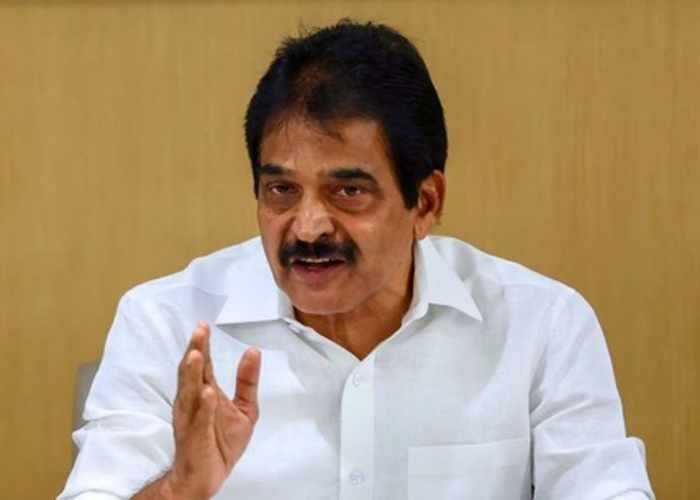
Congress General Secretary (Organisation) K.C. Venugopal on Saturday said it was up to the DMK to decide whether to support the Centre’s proposed Delimitation Bill, asserting that the BJP’s intentions behind the legislation were now clear to everyone.
His remarks came after the Dravida Munnetra Kazhagam (DMK), led by M.K. Stalin, announced its decision to back the revised delimitation proposal during the special session of Parliament beginning November 30.
“It is up to them. It is their decision because now everybody understands the design behind the BJP’s Delimitation Bill,” Venugopal told reporters in New Delhi.
Criticising the proposed legislation, he alleged that the BJP’s actions in Assam and Jammu and Kashmir demonstrated its intent to redraw constituencies for political advantage.
“Basically, what they (the BJP) have done in Assam and Jammu and Kashmir, everybody knows. The country knows that. Gerrymandering is their major agenda to divide the people of this country,” he said.
Venugopal added that those committed to the Constitution and the empowerment of backward communities, Dalits and minorities could not support the Bill. He maintained that any party choosing to back it was exercising its own political choice.
Asked about the Opposition’s response to the proposed legislation, the Congress leader said opposition parties would discuss the matter collectively and decide on a common strategy.
The Union Cabinet approved a revised Constitution Amendment Bill along with a Delimitation Bill on Friday. The proposed constitutional amendment seeks to increase the Lok Sabha’s strength from 550 to 850 seats through a uniform 50 per cent increase in the number of constituencies in each state.
It also proposes extending the existing freeze on the distribution of Lok Sabha seats among states by another 25 years, until 2051.
The revised proposals mark a fresh attempt after an earlier delimitation-related Bill failed to secure the required majority in the Lok Sabha in April. The legislation is expected to face scrutiny from opposition parties over its potential impact on electoral representation across states.
 FOLLOW NOW