
New Delhi, November 15, 2026 (Yes Punjab News)
India is stepping up diplomatic engagement with Russia and Ukraine, seeking to play a constructive role in efforts to reduce tensions and facilitate peace, even as its influence over the two sides remains limited, according to a report by The Diplomat.
The report said New Delhi, which was initially reluctant to get directly involved in the conflict, has increasingly explored opportunities to act as a mediator or facilitator, focusing on achievable outcomes rather than attempting to broker a comprehensive settlement.
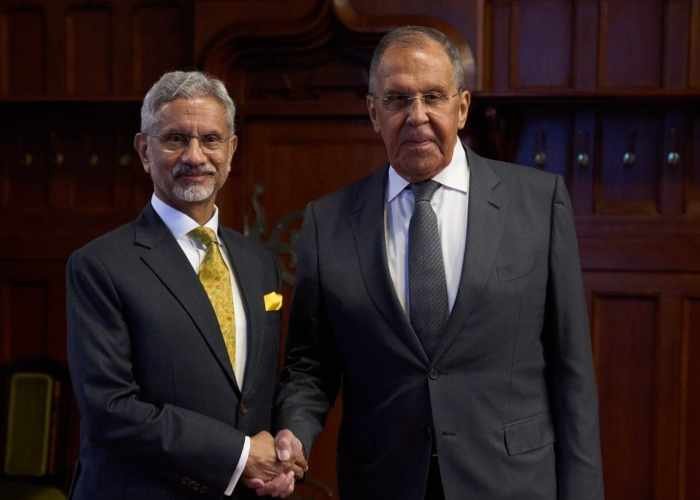
On November 9, a day before US-mediated talks between Russia and Ukraine began in Abu Dhabi, Prime Minister Narendra Modi spoke with Ukrainian President Volodymyr Zelenskyy. External Affairs Minister S. Jaishankar subsequently spoke to Russian Foreign Minister Sergey Lavrov.
Following his conversation with Modi, Zelenskyy said he had briefed the Indian Prime Minister on the latest diplomatic developments. He also raised Russia’s blockade of grain exports through the Black Sea and said India was prepared to help establish food corridors.
According to The Diplomat, India has significant economic and strategic interests in an end to the war. A settlement could ease pressure on global energy and food markets, particularly oil, gas, fertiliser and edible oil supplies, helping India manage import costs and domestic inflation.
A reduction in tensions between Russia and Western countries could also give New Delhi greater diplomatic flexibility, allowing it to maintain strategic ties with Moscow and Washington without appearing to align exclusively with either side.
The report further noted that progress towards peace could strengthen India’s expanding engagement with Europe, including cooperation on trade, defence and technology, as negotiations on the India-European Union free trade agreement gain importance.
India has also increased its direct diplomatic engagement with Kyiv. Jaishankar visited Ukraine on September 3, meeting Zelenskyy and holding consultations with Ukrainian Foreign Minister Andrii Sybiha. It was the first standalone bilateral visit to Ukraine by an Indian External Affairs Minister.
In October, India proposed a three-part truce framework covering a halt to attacks on energy and other infrastructure, the uninterrupted movement of grain and energy through the Black Sea, and an end to strikes on commercial shipping, the report said.
However, India’s role may remain that of a facilitator rather than a decisive mediator, given its limited leverage over Moscow. Its access to both sides could nevertheless help sustain diplomatic channels and advance humanitarian and economic arrangements, including the proposed Black Sea food corridor.
 FOLLOW NOW