
Islamabad, November 9, 2026 (Yes Punjab News)
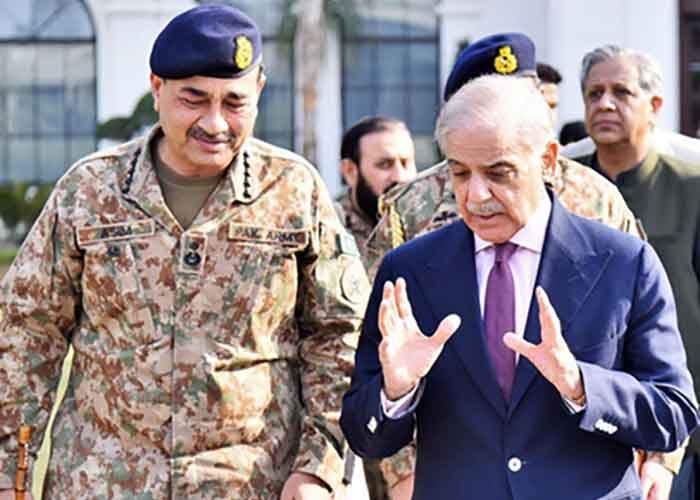
Pakistan’s ruling elite has been giving disproportionate attention to foreign engagements instead of addressing pressing domestic challenges, while the country’s media also focuses more on foreign policy and international developments than on fundamental problems at home, according to a report in Pakistani daily Dawn.
Television discussions frequently centre on overseas visits, defence agreements and global developments. While some international coverage is justified given the ongoing conflict in the neighbourhood and its impact on Pakistan, domestic issues affecting the country’s future rarely receive comparable attention, the report said.
Former Pakistan ambassador to the US, UK and the United Nations, Maleeha Lodhi, argued in an opinion piece in Dawn that foreign alignments offer ruling elites access to geopolitical rents that help keep the economy afloat while allowing them to avoid difficult domestic reforms.
She wrote that foreign engagements also help governments with disputed electoral mandates gain international legitimacy. Overseas visits and photo opportunities with world leaders, she observed, often carry greater appeal for ministers than ensuring government departments function effectively.
“Fixing the country’s problems is much harder than flying off to, say, Davos. A cynical explanation is that the country’s problems — poverty, hunger, lack of education, and health facilities, malnutrition, growing population numbers — don’t affect the power elite, so if they fester there is no skin off its back. Certainly, it sees no urgency in addressing them. Pakistan’s future will be determined at home, not abroad,” Lodhi wrote.
The report highlighted worsening poverty, food insecurity and shortcomings in education and healthcare as major challenges facing Pakistan. It cited Action Against Hunger, an international humanitarian organisation, on the country’s position among the world’s top 10 nations where millions face acute hunger.
Food insecurity has been linked to economic instability, inflation and climate shocks. Pakistan also has the world’s second-highest number of out-of-school children, while 37 per cent of its population remains illiterate, the report said.
Lodhi argued that human capital and development, which are crucial for economic growth, had suffered from government indifference and deteriorated over time.
“Human capital and human development, crucial for economic growth, have suffered from government indifference and deteriorated over time. Foreign engagements count for little when there is no improvement in the condition of the majority of people. Nor does the ‘glamour’ of foreign trips obscure the grim reality of the economic and social deprivations people face across the country. Nation-building at home should have priority. Pakistan’s future, after all, will be determined at home, not abroad,” she wrote.
 FOLLOW NOW