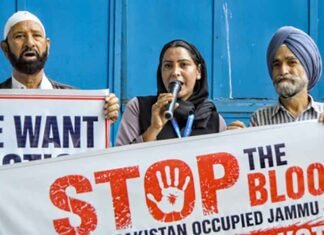




Pakistan-occupied Kashmir (PoK) has emerged as another major area of concern for Islamabad amid continuing instability in Balochistan, Khyber Pakhtunkhwa and Pakistan-occupied Gilgit-Baltistan (PoGB), according to a report that suggests multiple regional crises are raising fresh questions about Pakistan’s internal stability.
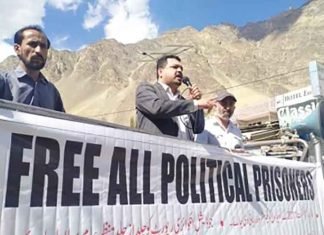
The report, published by the Directus news website, says the unrest in PoK revolves around the Joint Awami Action Committee (JAAC), which has been demanding greater political autonomy, institutional reforms and enhanced self-governance for the region.
According to the report, the JAAC had reached an agreement with the authorities in 2025. However, protest leaders allege that several key commitments made under the agreement were never implemented, triggering renewed demonstrations.
The report states that the authorities gradually shifted from negotiations to enforcement measures, with tensions escalating sharply in early June. One of the central demands of the movement has been the abolition of 12 reserved parliamentary seats allocated to Kashmiri refugees residing elsewhere in Pakistan.
It further notes that the Supreme Court of PoK rejected the proposal, while senior federal officials maintained that the existing constitutional arrangement would remain unchanged.
According to the report, the situation intensified after regional authorities designated the JAAC as a terrorist organisation. It also cited claims by protest organisers that security forces launched an operation targeting senior JAAC leader Umar Nazir Kashmiri, who was reportedly injured, while his associate Shahzaib Habib was killed during the operation.
The report also highlighted statements attributed to JAAC leader Sardar Aman Khan, who reportedly warned that continued shortages of food and medicines, along with restrictions in the region, could prompt some residents to reconsider their political future.
It concluded that the latest developments have transformed the unrest from a local protest movement into a broader political and security challenge with regional implications. As demonstrations continue and international attention grows, the report said the situation in PoK is increasingly intersecting with wider geopolitical dynamics involving India, Pakistan, China and Western governments.
 FOLLOW NOW