



New Delhi, November 21, 2026 (Yes Punjab News)
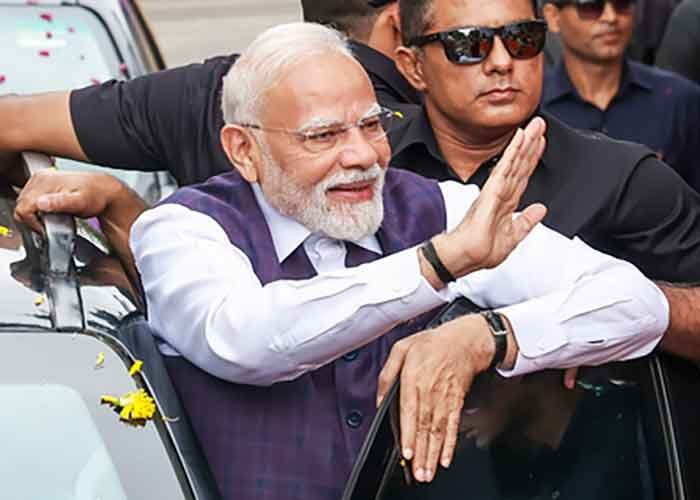
Prime Minister Narendra Modi’s communication style, expressed through both words and gestures, often becomes a subject of public discussion and social media attention. His energetic swirling of a humble gamcha has once again brought the traditional piece of cloth into the spotlight, highlighting its growing significance as both a cultural symbol and a political accessory.
The latest display came in Bihar on Saturday during an event marking the inauguration of a six-lane extradosed cable-stayed bridge over the Ganga, connecting Patna and Vaishali. The bridge has been named after former Bihar Chief Minister Nitish Kumar.
The phrase “Modi ka gamcha” gained widespread attention following a viral moment in November 2025, when Modi, wearing a Madhubani-print stole and waving a gamcha, celebrated the National Democratic Alliance’s victory in Bihar. The gesture brought together cultural tradition, political branding and public engagement, creating what became a recognisable Modi moment.
Beyond being a piece of cloth worn around the shoulders, the gamcha has evolved into a political accessory associated with simplicity, cultural roots and regional outreach. Traditionally used by working people to wipe sweat or cover their heads from the sun, it has found a prominent place in the Prime Minister’s public appearances.
Modi had earlier brought attention to the traditional Assamese gamosa when he wore one while receiving a Covid-19 vaccine dose. During the pandemic, he had also used it as a face covering while addressing the nation.
The gamosa is a traditional handwoven rectangular cloth from Assam, generally white with red or maroon borders and sometimes decorated with woven motifs. It is among the most recognisable symbols of Assamese culture.
The political significance of the cloth lies in its versatility and humble origins. The red-and-white Assamese gamosa worn with Modi’s signature kurtas draws attention to regional traditions, while a saffron gamcha reflects the Bharatiya Janata Party’s colour without appearing overtly partisan.
Its modest origins also complement Modi’s public image as a self-made leader who rose from humble beginnings. His use of region-specific versions of the traditional cloth sends a message of recognition and celebration of local identities.
In this way, the gamcha has become more than a traditional accessory. It forms part of a visual language through which cultural identity, political messaging and public engagement are brought together.
 FOLLOW NOW