


New Delhi, November 21, 2026 (Yes Punjab News)
When Narendra Modi arrived in Delhi after resigning as Gujarat Chief Minister, he encountered a political culture different from the one he had experienced in his home state. The message from the corridors of power was clear: “Mr Modi, this is Delhi, not Gujarat”. However, Modi was determined to follow his own approach to politics and governance, according to anecdotes recounted in a new book.
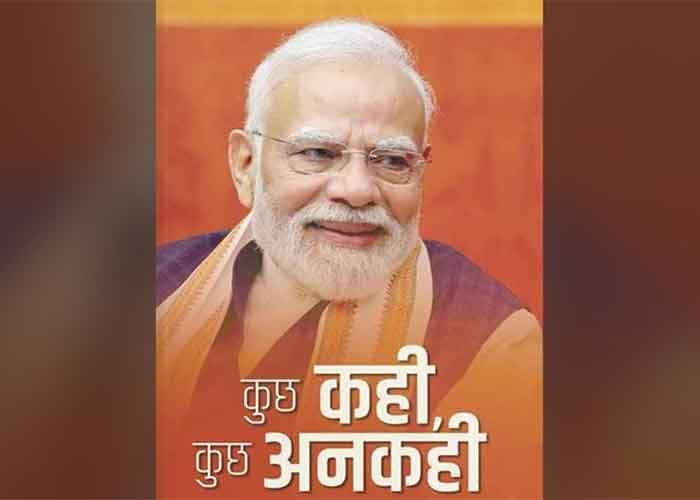
In Kuch Kahi, Kuch Ankahi, author Amitabh Sinha brings together episodes from Prime Minister Narendra Modi’s political journey, offering insights into experiences that, according to the author, helped shape his approach to administration and public life.
One such episode dates back to 1997, when Modi was serving as a BJP General Secretary in Delhi. Despite his demanding travel schedule, he regularly made time for evening tea with journalists at his modest office.
Sinha, who was beginning his career in television journalism around that time, recalls visiting Modi and observing his emphasis on accurate reporting. Modi would often tell journalists, “Don’t go around the story. Show what is true”.
Another significant episode relates to the 2001 Gujarat earthquake. Modi was sent from Delhi to oversee relief and rehabilitation efforts amid complaints about the state government’s response.
Sinha recalls sharing a flight with Modi to Ahmedabad. The aircraft was almost empty, and Modi, deeply affected by the tragedy in his home state, was eager to begin work. After landing, he went directly to the BJP office in Khanpur instead of checking into a hotel or taking rest.
According to the author, Modi received limited support from the state government and local administration but began travelling across Gujarat to ensure that relief material arriving from different parts of India and abroad reached earthquake victims. The devastation in Kutch, Sinha writes, left a lasting impression on him and became an important lesson in administration and public service.
The book also discusses Modi’s evolving relationship with the bureaucracy. After becoming Prime Minister, he reportedly acknowledged that he had been apprehensive of IAS officers during his tenure as Gujarat Chief Minister. Over time, he sought to change traditional administrative practices.
The Pro-Active Governance and Timely Implementation (PRAGATI) platform is cited as an example of his emphasis on punctuality, accountability and citizen-centric governance. Through the initiative, he directly reviews projects and addresses administrative bottlenecks with senior officials.
Sinha also recalls Modi speaking at a Holi gathering with journalists about his early days in Delhi, when he would distribute press releases and even arrange chairs for reporters during press conferences.
The book further highlights Modi’s emphasis on public participation in governance, particularly during the Covid-19 pandemic. His appeals for people to clap for frontline workers and participate in vaccination efforts are presented as examples of attempts to mobilise citizens during an unprecedented public health crisis.
For Sinha, who has followed Modi’s political journey since 1997, these episodes reflect a recurring pattern of learning from responsibilities, adapting to challenges and translating personal experiences into administrative decisions.
 FOLLOW NOW