
New Delhi, October 30, 2026 (Yes Punjab News)
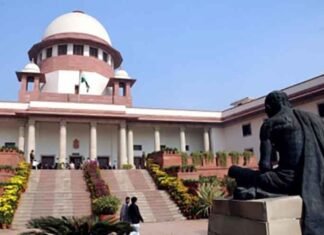
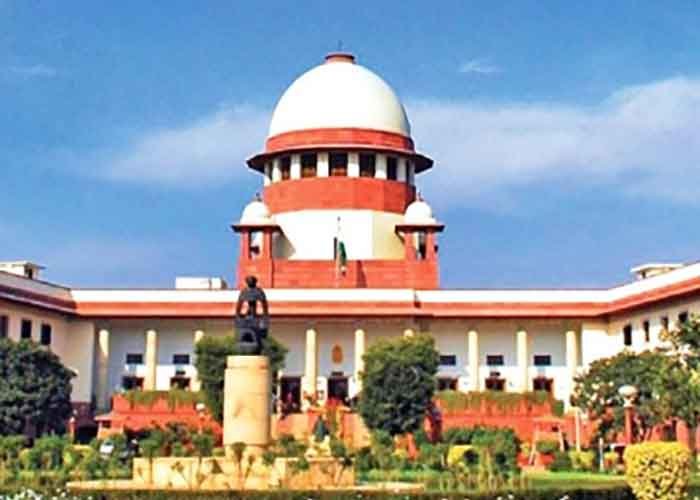
The Supreme Court on Friday directed the Centre to incorporate measures for taking action against those violating its interim restrictions on the unauthorised use and commercial exploitation of audio-video recordings of judicial proceedings into the proposed policy framework.
A Bench comprising Chief Justice of India (CJI) Surya Kant and Justices Joymalya Bagchi and V. Mohana directed the Ministry of Electronics and Information Technology (MeitY) to ensure compliance with the interim directions issued by the apex court in July this year.
“The MeitY is directed to ensure the compliance of interim directions… Necessary measures for taking action against those who fail to comply with the directions will also be incorporated in the policy regime,” the Bench led by CJI Kant ordered.
The directions followed submissions by Solicitor General Tushar Mehta, who informed the court that the Centre was considering suggestions received from various High Courts and members of the legal fraternity to formulate a policy regulating the use of recordings of judicial proceedings.
The Centre’s second-highest law officer told the Bench that the suggestions had been forwarded to the Supreme Court Registry and that a framework incorporating the inputs would be prepared and placed before the court for consideration.
Mehta also apprised the court of instances in which the earlier directions had allegedly been violated and suggested that material uploaded in breach of the interim restrictions should be taken down.
The Bench agreed that the directions needed to be implemented effectively and said the proposed policy framework should provide for appropriate action against those who failed to comply.
During the proceedings, the Supreme Court also heard submissions on measures such as digital watermarking, authenticated recordings and the permissible use of live-streamed judicial proceedings.
The latest directions come amid concerns over the unauthorised extraction, manipulation, circulation and commercial exploitation of audio-video recordings of court proceedings, particularly on social media and other digital platforms.
Earlier, the Supreme Court had imposed interim restrictions on the extraction, dissemination, monetisation, posting, reposting, uploading, transmission, modification, storage or hosting of audio-video recordings of judicial proceedings on social media or any other digital platform without prior permission from the Secretary General of the Supreme Court or the Registrar Generals of the jurisdictional High Courts.
The apex court had clarified that the restrictions would not affect the reporting of court proceedings by recognised news outlets. It subsequently made clear, however, that such organisations could continue reporting judicial developments but could not use audio or video clips of court proceedings in their coverage.
The Supreme Court had also impleaded all High Courts and major social media intermediaries and technology platforms in the matter, while seeking their inputs on the adoption of the Model Rules for live streaming and recording of court proceedings.
The Union government was further directed to identify the nodal Ministries responsible for implementing the reliefs sought in the petition.
 FOLLOW NOW