
New Delhi, October 22, 2026 (Yes Punjab News)
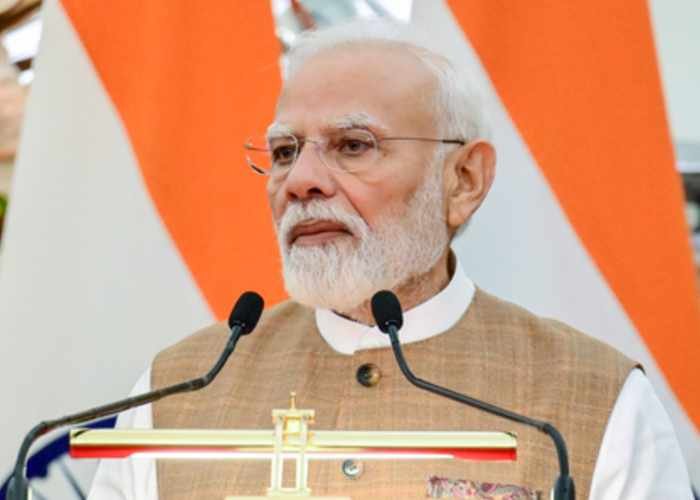
Prime Minister Narendra Modi on Thursday said the existing global order and its institutions have failed to evolve in step with a rapidly changing world, creating a widening gap between present-day realities and outdated decision-making mechanisms.
Addressing the NDTV World Summit in New Delhi, Modi described the current geopolitical phase as a “world between orders” and said the international system is undergoing a period of transition.
He said two key questions need to be addressed — why the global order is changing and why the existing system is unable to respond effectively to contemporary challenges, and what role India should play in the emerging landscape.
Explaining the reasons behind the shift, Modi said the transformation was both natural and inevitable. Recalling the lessons of World War II, he said an international system based only on power and self-interest cannot remain sustainable. Dialogue, cooperation and peaceful resolution of disputes were essential principles behind the creation of the United Nations, he noted.
However, the Prime Minister said the world has changed significantly since then, with evolving aspirations, the emergence of new economic powers and technological advances reshaping societies, economies and the nature of power itself.
He pointed out that several nations that had little or no role when the existing global order was established are now seeking their rightful place in global decision-making.
“The question is, has the global order kept pace with these changes? The answer is no,” Modi asserted.
While acknowledging the historic contribution of the United Nations and other international institutions, he said their limitations in addressing present-day challenges had become increasingly evident.
Modi said new powers were emerging, new voices were seeking representation and emerging problems required new solutions. When global realities change while decision-making mechanisms remain stagnant, he said, a growing disconnect develops between the world as it exists and the institutions meant to govern it.
He said this disconnect is what the world is witnessing today, underscoring the need to make global institutions more representative, inclusive and responsive to the challenges of the 21st century.
 FOLLOW NOW