


New Delhi, November 12, 2026 (Yes Punjab News)
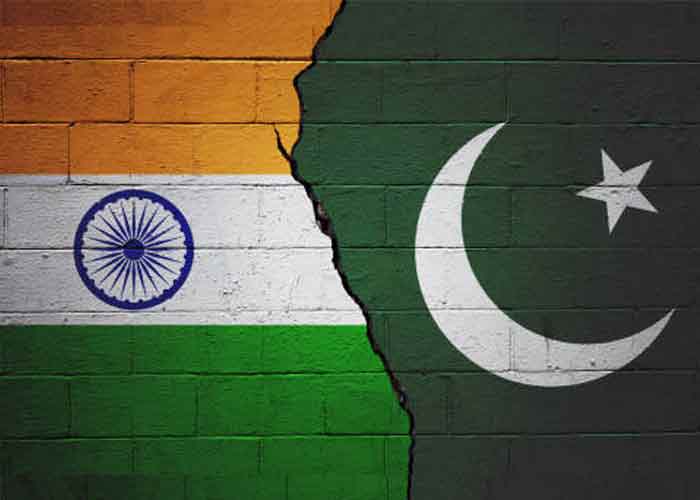
India and Pakistan have followed sharply different paths in tackling poverty, with India recording a steep decline in extreme poverty while Pakistan has seen poverty levels rise, according to an article published in European Times.
Citing the World Bank’s Poverty and Equity Brief, released this month, the article states that India’s extreme poverty rate fell from 27.1 per cent in 2011 to 2.6 per cent in 2023, based on the $3-a-day poverty line. It estimates that around 496 million people moved above this threshold over the 12-year period.
The article attributes India’s progress to an expansion in employment by approximately 134 million between 2017 and 2023, increased participation of rural women in paid work, wider food transfers and the use of Aadhaar-linked identification and direct bank transfers. It says these delivery mechanisms helped save an estimated Rs 3.48 lakh crore in leakages by 2024.
Pakistan, meanwhile, recorded a reversal in the same period. The World Bank figures cited in the article show extreme poverty rising from 16.5 per cent in 2018-19 to 23 per cent in 2024, leaving around 58 million people below the $3-a-day threshold.
Pakistan’s Planning Ministry also recorded an increase in the national poverty rate from 21.9 per cent to 28.9 per cent. The article further points to a rise in the Gini coefficient from 28.4 to 32.7, indicating widening income inequality.
According to the article, Pakistan now accounts for around 48 per cent of the extreme poor across the World Bank’s Middle East, North Africa, Afghanistan and Pakistan region, despite having less than a third of its population. Its poverty rate is reportedly around 1.6 times the regional average.
 FOLLOW NOW