
New Delhi, November 12, 2026 (Yes Punjab News)
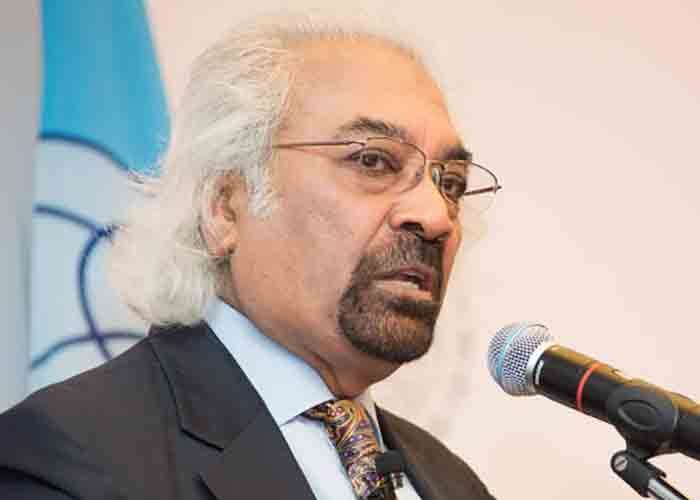
Indian Overseas Congress (IOC) chief Sam Pitroda has said he has “lost trust in the election system in India”, claiming that several members of civil society share his concerns.
In an interview with IANS, Pitroda made the remarks while responding to a question about the Congress-led INDIA bloc’s campaign against the Election Commission of India’s (ECI) voter-roll revision process. He said the reasons behind the trust deficit needed to be discussed and debated, adding that concerns about how votes are cast and counted were serious issues for democracy.
Asked about Prime Minister Narendra Modi, Pitroda described him as warm, kind and hard-working, and said he respected him as a person. However, he distinguished personal relations from political differences, saying he disagreed with Modi’s worldview and ideology.
Commenting on the recent US midterm election results, Pitroda said dissatisfaction over the economy, the war and what he described as an authoritarian approach to decision-making had contributed to the Republicans’ defeat. He said young people wanted peace, employment, education and security.
On demonstrations in India, Pitroda said protests that initially involved a small group of Gen Z and Cockroach Janata Party (CJP) supporters had taken on a wider national character, with concerns extending to democracy, elections, economic performance and jobs.
Asked about Sonia Gandhi’s memoir, Belonging: A Journey of Love, Pitroda praised her journey, describing it as a story of love, courage, commitment and dedication to the country and family. He said he had not yet read the book but looked forward to doing so.
On questions about the 1984 anti-Sikh riots and the Gandhi family’s responsibility, Pitroda said the focus should be on the future rather than repeatedly revisiting events from more than four decades ago. He called for attention to education, employment and opportunities for future generations.
Pitroda also declined to offer an opinion on whether the Babri Masjid should be rebuilt if Congress returned to power, saying the decision would rest with the party, the government and the people of India.
On Maoism and Naxalism, he said the movement had changed over the decades and acknowledged that grievances over inequality and exclusion remained relevant. However, he opposed the use of violence, arguing that it added to problems rather than resolving them.
 FOLLOW NOW