
New Delhi, August 18, 2026 (Yes Punjab News)
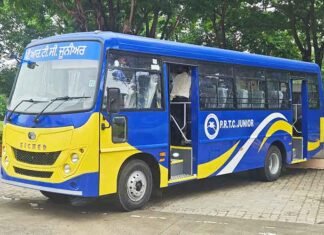
The Centre has proposed extending the permissible age of certain battery-operated, hydrogen fuel-based and natural gas-driven commercial vehicles covered under the national permit system by five years.
According to a draft notification issued by the Ministry of Road Transport and Highways (MoRTH), the proposed amendments are aimed at simplifying national permit procedures, promoting cleaner commercial transport and expanding the use of digital processes.
Under the proposal, the existing age limits of 12 years and 15 years for vehicles operating under the national permit system would be increased to 17 years and 20 years, respectively, for battery-operated, hydrogen and natural gas-powered vehicles. The proposed relaxation would apply only to the specified categories of cleaner-fuel commercial vehicles.
The draft also proposes allowing national permit holders to obtain authorisation for up to five years instead of renewing it annually. The annual fee would remain Rs 16,500, meaning a five-year authorisation would cost Rs 82,500.
The government has proposed using the VAHAN database to reduce paperwork and streamline permit-related processes.
Changes have also been proposed to temporary vehicle registration rules. A chassis without a body would receive temporary registration for six months. If the chassis remains in a workshop beyond that period for body fitting or due to circumstances beyond the owner’s control, the registering authority could extend the validity by 30 days at a time on application and payment of the prescribed fee.
For fully built vehicles being converted into adapted vehicles, or vehicles being registered in a state different from the state where the dealer is located, temporary registration would be valid for 45 days.
The draft amendments also seek additional information in vehicle registration and permit forms.
The ministry has invited objections and suggestions on the proposed amendments for 30 days from the date the notification is made available to the public.
The proposals are part of the government’s broader effort to encourage cleaner commercial mobility while making the national permit and vehicle registration framework more efficient and digitally driven.
 FOLLOW NOW