



Chandigarh, November 23, 2026 (Yes Punjab News)
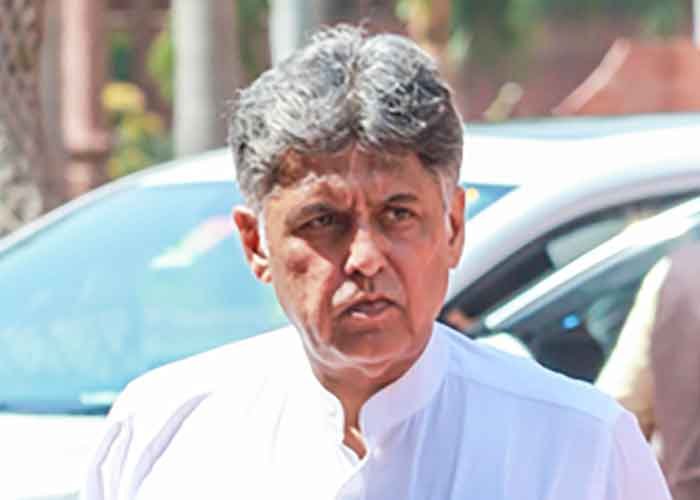
Congress MP Manish Tewari on Monday said lasting peace in South Asia was possible if Pakistan stopped supporting terrorism and took decisive action against terrorist organisations operating from its territory.
His remarks came a day after Pakistan’s Climate Change Minister Musadik Masood Malik called for evidence-based discussions and greater regional cooperation to tackle terrorism. Malik had said that thousands of people in Pakistan had fallen victim to extremism and urged countries to share facts and evidence transparently, proposing a common forum to address security concerns.
Responding to Malik’s remarks, Tewari told IANS that Pakistan needed to act against the terrorist organisations it had allegedly supported for decades.
“If Pakistan stops encouraging terrorism, there will be peace in South Asia tomorrow,” he said, recalling a 2010 press conference in Islamabad by then US Secretary of State Hillary Clinton, who had warned Pakistan against nurturing terrorist groups.
Tewari said the consequences of supporting such organisations since 1977-78 were now affecting Pakistan itself. He argued that ending such support would help bring peace across the region.
The Congress leader also criticised the BJP’s approach to campaigning for the upcoming Municipal Corporation elections, saying the contest should focus on local civic issues rather than national political narratives.
Reacting to BJP national president Nitin Nabin launching the party’s campaign, Tewari said the elections should be decided on candidates’ ability to improve roads, sewerage, parks, street lighting and other basic civic infrastructure.
He questioned the relevance of invoking national leaders and the Union government’s performance in a municipal contest, arguing that voters should assess who could ensure better delivery of local services.
On the Lowy Institute’s 2026 Asia Power Index report, Tewari described the Australian think tank as a respected institution but said he had not yet read the latest report.
He maintained that India’s position in global affairs was shaped by its own history and standing since Independence and did not require endorsement from any external institution.
 FOLLOW NOW