




Thiruvananthapuram, October 16, 2026 (Yes Punjab News)
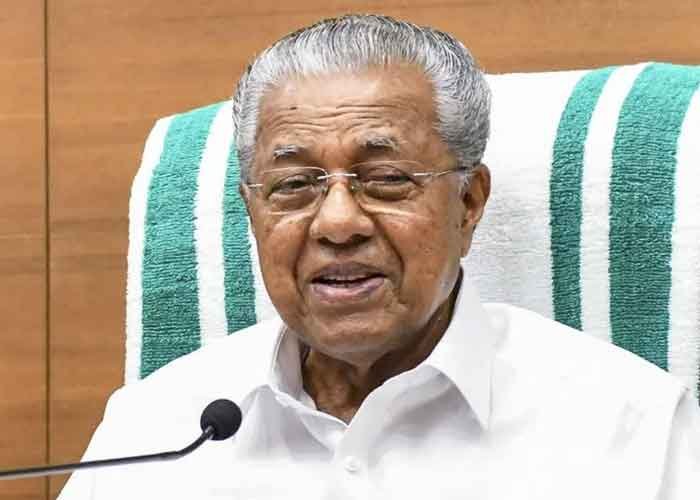
Former Kerala Chief Minister and CPI-M Politburo member Pinarayi Vijayan has been summoned by the Enforcement Directorate (ED) in connection with the Masappadi, or CMRL-Exalogic, case, bringing renewed attention to allegations involving payments made to a company associated with his daughter.
Vijayan was asked to appear before the agency on Friday. The summons marks a significant development in the case involving Cochin Minerals and Rutile Ltd (CMRL) and Exalogic Solutions, a company linked to his daughter, T. Veena.
The controversy also places the CPI-M’s long-standing emphasis on anti-corruption campaigns and accountability under political scrutiny. The party has argued in other cases that central investigative agencies are being used to target opposition leaders. However, the allegations in the present case remain subject to investigation and legal process.
The CMRL-Exalogic transactions have led to two cases. Veena has been named as the second accused in both, while her husband and CPI-M legislator P.A. Mohammed Riyas is the first accused in a separate case linked to alleged hawala transactions. The precise allegations and roles of the individuals concerned must be assessed through the relevant proceedings.
Vijayan has had a long career in Kerala politics. He served as CPI-M state secretary from 1998 to 2015 and was Chief Minister from 2016 to 2026, completing two consecutive terms—a first for a Kerala Chief Minister.
His political career has also included sharp criticism of opponents facing corruption allegations. In 2015, the CPI-M led a campaign against then Finance Minister K.M. Mani over the bar bribery controversy, while Vijayan repeatedly demanded the resignation of then Chief Minister Oommen Chandy during the Solar scam dispute. Chandy was later exonerated.
The ED summons has now shifted attention to allegations involving a company associated with Vijayan’s family. The CPI-M has maintained that investigative agencies are being used for political purposes, while the summons itself does not establish wrongdoing.
The case raises questions about the consistency of political parties’ positions on accountability when allegations involve their own leaders. The investigation and any subsequent legal proceedings will determine how the allegations are addressed.
 FOLLOW NOW