
New Delhi, October 30, 2026 (Yes Punjab News)
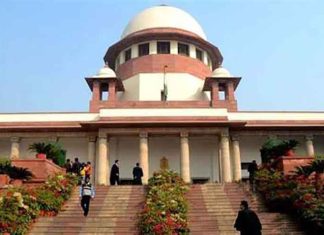
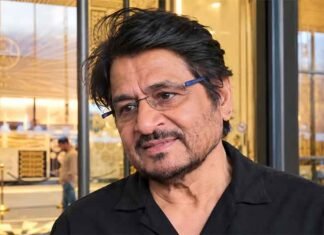
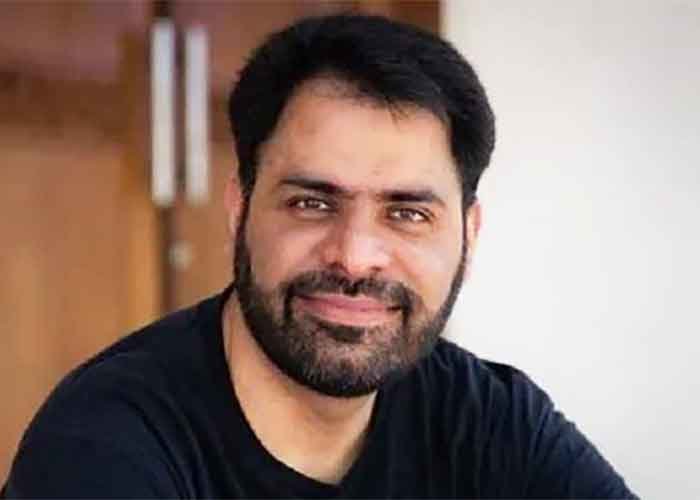
The Supreme Court on Friday dismissed a plea filed by the National Investigation Agency (NIA) challenging the Delhi High Court’s decision to grant bail to Kashmiri human rights activist Khurram Parvez in a terror conspiracy case.
A bench comprising Justices M.M. Sundresh and P.B. Varale declined to interfere with the High Court’s order granting relief to Parvez, who has been in custody for nearly five years.
Senior advocate Tanveer Ahmed Mir, appearing for Parvez, told the apex court that his client has a prosthetic leg and has already spent almost five years in incarceration.
He further informed the bench led by Justice Sundresh that the framing of charges in the case had been deferred after the NIA sought additional time to file a supplementary chargesheet.
The NIA had approached the Supreme Court challenging the Delhi High Court’s June 10 order granting bail to Parvez in a case registered under the stringent provisions of the Unlawful Activities (Prevention) Act (UAPA).
Parvez has been in custody since November 2021 in connection with an alleged larger conspiracy linked to Pakistan-based terror outfit Lashkar-e-Taiba (LeT). The NIA has accused him of involvement in terror funding, recruiting overground workers, collecting sensitive information about security forces and promoting separatist activities in Jammu and Kashmir.
While granting bail, the Delhi High Court had observed that Parvez’s prolonged incarceration of more than four and a half years, coupled with the unlikelihood of the trial concluding in the near future, warranted his release despite the stringent restrictions imposed under the UAPA.
A division bench comprising Justices Navin Chawla and Ravinder Dudeja had set aside the trial court’s December 13, 2024, order rejecting his bail application.
The High Court had taken into account that the proceedings were still at the stage of arguments on the framing of charges and that the prosecution intended to examine 197 witnesses if charges were framed.
It had observed that the right to personal liberty under Article 21 of the Constitution must be balanced against the restrictions imposed under Section 43D(5) of the UAPA.
“The appellant’s rights under Article 21 of the Constitution of India need to be balanced and may even trump the restriction imposed under Section 43D(5) of the UAPA,” the bench led by Justice Chawla had said.
The High Court had also considered Parvez’s physical disability, noting that he had lost a leg in a landmine blast in 2004.
It further recorded that the prosecution’s case against him was primarily based on the statement of co-accused Muneer Ahmad Kataria, who subsequently turned approver.
The court observed that the allegations contained in the approver’s statement were yet to be tested during the trial and refrained from expressing any opinion on the merits of the case.
While granting bail, the High Court had imposed stringent conditions, including a personal bond of Rs 2 lakh with two sureties, surrender of his passport, restrictions on travelling outside Delhi without permission and periodic reporting to the investigating officer.
It had also directed Parvez not to influence witnesses, comment publicly on the merits of the case or engage in any activity prejudicial to public order or the integrity of the trial.
 FOLLOW NOW