

New Delhi, April 12, 2026
Pakistan is once again grappling with rising inflation as escalating tensions in the Middle East, particularly the Israel-US conflict with Iran, begin to ripple through its economy, a report has said.
The surge in global energy prices has pushed the country’s inflation back into double-digit territory, with the Sensitive Price Indicator (SPI) climbing 12.15 per cent year-on-year (YoY), marking a 74-week high, The Express Tribune report said.
According to analysts at Topline Securities, the latest spike reflects the severity of the ongoing price shock.
This comes after a period of relative stability in late 2025, when SPI inflation had dropped to as low as 2.4 per cent in early January 2026, largely due to a favourable base effect.
However, the situation has deteriorated rapidly, with inflation jumping sharply from around 4-5 per cent levels recorded in February this year.
The primary driver behind this sudden rise is the volatility in global energy markets triggered by geopolitical tensions in the Middle East.
As international oil prices surged amid fears of supply disruptions, the impact quickly filtered into Pakistan’s domestic economy, where fuel costs significantly influence overall inflation.
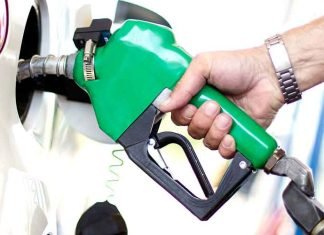
Fuel prices have seen a steep increase over the past year, with diesel soaring by 101.02 per cent, petrol rising 48.70 per cent and LPG climbing 65.86 per cent on a YoY basis.
This sharp rise has increased transportation and logistics costs, setting off a chain reaction that has driven up the prices of essential goods.
The energy shock has also intensified food inflation, placing additional strain on household budgets.
Prices of key staples have risen significantly, with onions becoming costlier by 37.80 per cent, wheat flour by 30.10 per cent and tomatoes by 23.07 per cent compared to last year.
Protein sources have not been spared either, as mutton and beef prices have increased by nearly 15 per cent and 14 per cent, respectively, as per the report.
On a weekly basis, the pressure appears even more pronounced. Diesel prices jumped 54.71 per cent while petrol rose 17.86 per cent, leading to immediate increases in transportation costs.
This has translated into sharp rises in the prices of perishable food items within just a week, including tomatoes, potatoes and onions.(Agency)
 FOLLOW NOW