


New Delhi, November 18, 2026 (Yes Punjab News)
Bangladesh is facing mounting political turbulence amid reports of street violence, arson and clashes with police, as labour unrest and the anticipated return of former Prime Minister Sheikh Hasina from exile add to the challenges confronting the government of Prime Minister Tarique Rahman.
Ready-made garment (RMG) workers are demanding higher wages through nationwide protests, while Awami League supporters are reportedly mobilising ahead of Hasina’s expected return sometime in December.
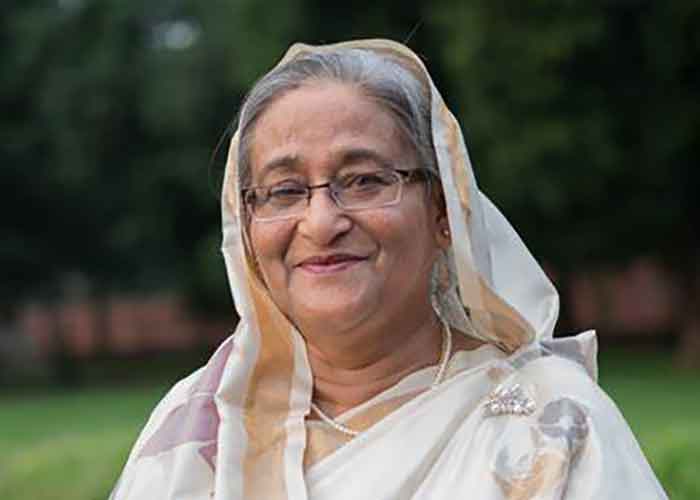
The 79-year-old former Prime Minister was sentenced to death in absentia by Bangladesh’s International Crimes Tribunal a year ago over alleged crimes against humanity linked to her government’s crackdown on protesters during July and August 2024. Hasina has rejected the charges and repeatedly expressed her intention to return and face legal proceedings. She and other Awami League leaders have offered to surrender before the courts, while Dhaka has sought her extradition.
The political uncertainty comes as the Ganges Water Sharing Treaty is due to expire in less than a month, raising questions about the future of negotiations between New Delhi and Dhaka.
An article published by Bangladesh’s The Daily Star on Wednesday recalled that India’s High Commissioner to Bangladesh, Dinesh Trivedi, had said on August 9 that a meeting between the two Prime Ministers could help resolve bilateral differences. “I think if the two leaders meet, a lot of problems can be solved,” he was quoted as saying.
Former Bangladesh ambassador to the United States Humayun Kabir also suggested that a meeting could help the two sides agree to extend the treaty, either for another term or temporarily while a fresh agreement is negotiated. He said a short extension could also allow time to review the existing arrangement.
A BBC report in August said India was keen to host Rahman for talks, noting that it would be his first visit since the BNP won the parliamentary elections in February. Dhaka has yet to respond to New Delhi’s invitations, according to the report.
Bangladesh’s demand for Hasina’s extradition remains a major point of friction. The National University of Singapore’s Institute of South Asian Studies observed in August that her stated intention to return could further unsettle domestic politics and strain relations with India.
While the country has remained polarised since Hasina’s ouster in August 2024, her proposed return has added urgency to the political debate. BNP leaders have accused the Awami League of attempting to destabilise the country, while the banned party’s supporters describe Hasina’s plans as a bid for a legal and political comeback and reject allegations that she is directing violence from exile.
Analysts have linked the unrest to several factors, including labour protests, economic pressures, unresolved grievances from the 2024 uprising and the Awami League’s exclusion from formal politics. The garment sector’s importance adds to the urgency, as it accounts for more than four-fifths of Bangladesh’s export earnings.
 FOLLOW NOW