



New Delhi, November 25, 2026 (Yes Punjab News)
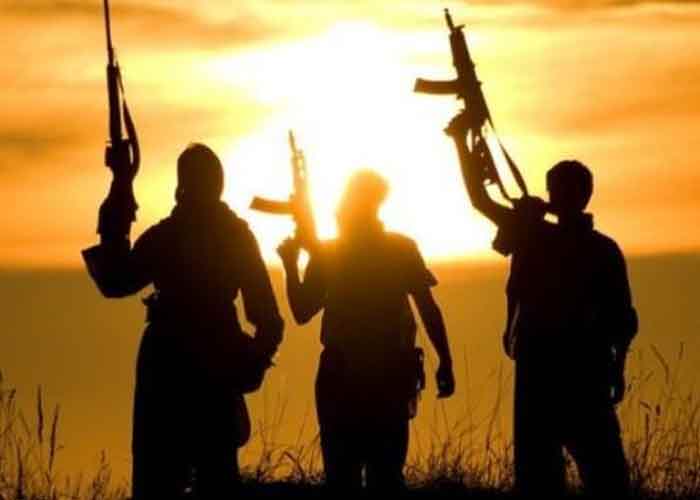
November 26, 2026, marks the 18th anniversary of the Mumbai 26/11 terror attacks, in which the Lashkar-e-Taiba (LeT), then at the peak of its operational strength, carried out a devastating assault on India’s commercial capital. Ten terrorists laid siege to Mumbai, killing more than 160 people in one of the most horrific terror attacks the country has witnessed.
The Lashkar-e-Taiba, described as the ISI’s most trusted proxy, allegedly received support from the Pakistani establishment, which enabled the attack to be carried out on such a massive scale.
An official said the Lashkar-e-Taiba had emerged as one of the most dangerous terror outfits in the world at the time of the 26/11 attacks, with extensive infrastructure, a free flow of funds and leaders operating openly without fear. However, comparing the outfit in 2008 with its present condition, the official said it had undergone a significant transformation. Pressure from India, the international community and, more importantly, the Financial Action Task Force (FATF) had gradually weakened the organisation.
Operation Sindoor, however, dealt the outfit its biggest blow, the official said, adding that even today, the LeT is unable to operate on the scale it did in 2008.
Another official said that during the Mumbai attacks, the Lashkar-e-Taiba operated freely from centralised complexes such as Markaz-e-Taiba in Muridke. The complex, which reportedly housed trained cadres, arms depots and recruitment facilities, was razed during Operation Sindoor, launched in response to the Pahalgam terror attack, which officials also attributed to the Lashkar-e-Taiba.
The outfit no longer operates from a single centralised complex, the official said, adding that it has shifted its bases and moved deeper inland to avoid further strikes by Indian armed forces.
An Intelligence Bureau official said another significant change in the LeT’s operations was its shift towards smaller attacks involving one to four individuals at a time. The outfit has also relied on proxies such as The Resistance Front (TRF) to avoid detection and prevent investigative trails from reaching its leadership in Pakistan.
Officials attributed the creation and use of proxies to multiple factors, including the crackdown on terror groups following the abrogation of Article 370. The pressure from Indian agencies, they said, forced the outfit to adopt proxy structures to complicate investigations and conceal links to its leadership in Pakistan. International pressure, particularly over terror financing, was another factor in the shift.
Officials said that following the Mumbai 26/11 attacks, India conducted investigations and provided dossiers to Pakistan, but Islamabad continued to deny allegations, with little change in the LeT’s activities at the time.
In 2008 and in the years that followed, LeT leaders Hafiz Saeed and Zaki-ur-Rehman Lakhvi reportedly operated openly and held large rallies during which attacks against India were advocated. Following Operation Sindoor and subsequent actions, including Operation Cellar, Pakistani authorities were forced to keep Saeed imprisoned on terror-financing charges, officials said.
Although Saeed remains in prison, Indian agencies claim he continues to enjoy protection and a comfortable lifestyle. Officials said the outfit has suffered a significant decline in its operational capabilities, particularly its ability to mount large-scale attacks capable of holding an urban centre hostage for days.
During the Mumbai attacks, ten fidayeens struck multiple targets simultaneously, killing 166 people. Officials say the organisation now operates on a much smaller scale and no longer attempts attacks of similar magnitude.
The Pahalgam attack, in which innocent tourists were killed, was described as the biggest attack the Lashkar-e-Taiba was able to carry out in recent years. However, The Resistance Front, its alleged proxy, claimed responsibility rather than the LeT directly.
Officials said that during the Mumbai attacks and in the years immediately following them, the LeT maintained networks of foreign and local terrorists, supported by an extensive overground worker network. The situation has since changed considerably, with the Home Ministry indicating that local LeT recruitment in the Kashmir Valley has been virtually eliminated.
The outfit now depends largely on infiltration, which officials say has also declined compared with earlier years.
Counterterrorism experts believe the Lashkar-e-Taiba has suffered a substantial setback in recent years and could take a considerable amount of time to regain the capabilities it had in 2008. They said sustained counterterrorism action would make such a revival increasingly difficult.
Intelligence inputs suggest the outfit is currently focused on rebuilding its infrastructure and capabilities. While it may not be in a position to immediately carry out an attack on the scale of Mumbai 26/11, officials believe it would continue attempting to rebuild towards that objective.
India’s current counterterrorism doctrine holds that an act of terror would not be treated merely as a cross-border attack but as an act of war. Adopted following the Pahalgam attack and not in place at the time of the Mumbai 26/11 attacks, the doctrine has significantly altered India’s approach to counterterrorism, an official said, adding that the Lashkar-e-Taiba has been among the outfits most affected by the shift.
 FOLLOW NOW