




Dhaka, November 20, 2026 (Yes Punjab News)
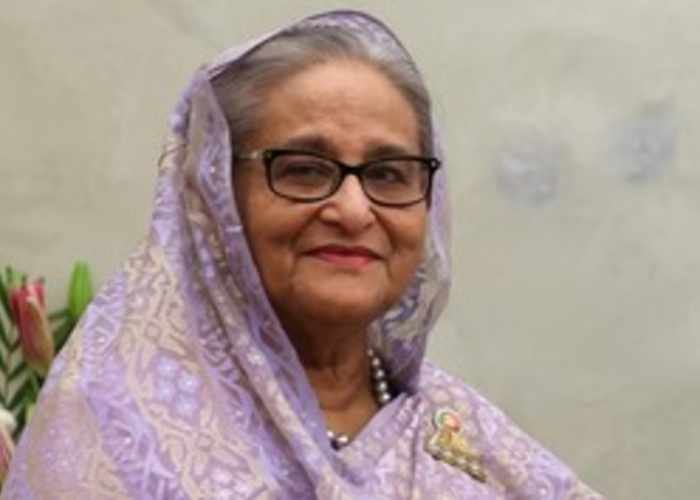
Former Bangladesh Prime Minister Sheikh Hasina has welcomed the International Court of Justice (ICJ) judgment holding Myanmar responsible for genocide against the Rohingya community, calling it a significant step towards international justice and the eventual return of refugees to their homes in Rakhine State.
In a statement issued after the court delivered its judgment on Thursday in the case brought by The Gambia against Myanmar, Hasina urged all United Nations member states to ensure that the ruling is respected and upheld.
The ICJ found Myanmar responsible for genocide against the Rohingya minority in northern Rakhine State during the 2017 clearance operations, in violation of its obligations under the Convention on the Prevention and Punishment of the Crime of Genocide.
The Gambia had instituted proceedings before the ICJ on November 11, 2019, on behalf of the 57 members of the Organisation of Islamic Cooperation, alleging that Myanmar had failed to prevent and punish acts of genocide against the Rohingya.
Hasina described the verdict as an important milestone, recalling Bangladesh’s role in sheltering nearly one million Rohingya refugees who fled Myanmar during the 2017 military operations.
She said that, as Prime Minister, she had instructed her counsel, Professor Payam Akhavan, to pursue the matter before the International Criminal Court (ICC), invoking Bangladesh’s jurisdiction. She also referred to an arrest warrant issued in 2024 in connection with alleged crimes against humanity.
Hasina further said her government had worked within the Organisation of Islamic Cooperation to secure diplomatic and financial backing for The Gambia’s case before the ICJ. Bangladesh, she added, had played a central role in investigations and the collection of evidence from witnesses and survivors in refugee camps.
Calling the judgment a proud moment for Bangladesh, she reaffirmed her commitment to international justice.
However, Hasina also criticised the current situation in Bangladesh, alleging that the country had moved from a position of leadership on human rights issues to one marked by human rights abuses, political persecution, chaos and decline.
She expressed hope that Bangladesh would recover its standing and contribute to strengthening the United Nations and global governance.
 FOLLOW NOW