


New Delhi, November 20, 2026 (Yes Punjab News)
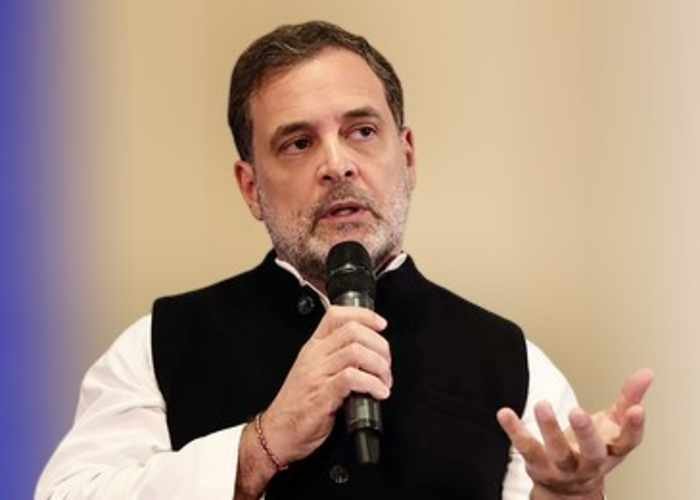
Congress leader Rahul Gandhi on Friday questioned India’s absence from diplomatic negotiations involving Iran and the United States, expressing surprise that Pakistan was participating in discussions while India, despite its global standing, appeared to be watching from the sidelines.
In a post on social media platform X, Gandhi criticised what he described as India’s diminishing role in international diplomacy and argued that a country of India’s size, history and global relationships should be actively involved in shaping major geopolitical developments.
“I’m pretty shocked that Pakistan is busy negotiating with the Iranians and the Americans, while India is just looking,” Gandhi wrote.
‘India Has Become a Side Player’
The Congress leader said India had traditionally maintained an independent foreign policy guided by its national interests, beginning with the country’s independence.
“India has always had a sophisticated geopolitical understanding, right from independence. We had a mind of our own. Our foreign policy was guided by what benefits India,” he stated.
Gandhi argued that India’s historical relationships, population and international standing should enable it to participate meaningfully in important diplomatic conversations.
“By our size, our history and our relationships, we should be involved in these global conversations. But frankly, India has become a side player. We have stepped back from the stage. We have a voice and a view, but that view is missing,” he said.
His remarks amounted to criticism of India’s current diplomatic engagement, particularly in relation to negotiations concerning the conflict involving Iran.
Iran War Has Aggravated Economic Hardships, Says Gandhi
Referring to the consequences of the Iran war, Gandhi said the conflict had intensified difficulties already being experienced by people in India.
“There was already pain in India. The Iran war magnified it, pushing people over the edge,” he wrote.
He maintained that developments in other parts of the world had direct consequences for India and that the country could not afford to remain indifferent to international crises.
“We cannot sit in India and remain unconcerned about what is happening in the rest of the world,” Gandhi said.
Calls for India to Help Shape New Global Order
Looking beyond the immediate conflict, Gandhi argued that the international security framework established after the Second World War was undergoing a fundamental transformation.
He said the existing security structure had largely been shaped by Western powers, while the emerging global order would involve multiple civilisations.
“The post-World War II security structure was built by the West. The next global architecture will be built by multiple civilisations. A nation of 1.5 billion people must help shape it,” he stated.
Gandhi emphasised that India should participate actively in the development of this new international framework rather than remain on the margins of global decision-making.
“We want stability. We want an order designed not just by speaking, but by listening equally,” he concluded.
The Congress leader’s remarks underline his position that India’s foreign policy should combine independent decision-making with a more prominent role in international diplomacy, particularly at a time when geopolitical conflicts are influencing economic conditions and the future global security order.
 FOLLOW NOW