


New Delhi, November 16, 2026 (Yes Punjab News)
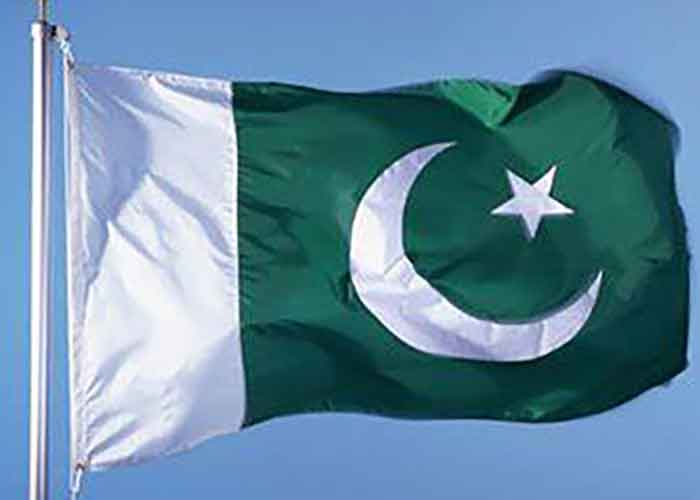
A proposal to create new provinces in Pakistan has triggered a political debate over governance, the distribution of power and the influence of the country’s military establishment, with opposition from key political players raising doubts about whether administrative restructuring can address the country’s deeper problems.
The debate gained momentum in September after Interior Minister Mohsin Naqvi questioned the effectiveness of the existing administrative system, arguing that it had collapsed and could no longer resolve public grievances. His remarks sparked questions about the proposed provinces’ boundaries, constitutional framework and political purpose.
Sindh has emerged as a major centre of opposition. Its Provincial Assembly passed a resolution rejecting any proposal to divide the province or alter its territorial boundaries. Chief Minister Murad Ali Shah also issued a strong warning, saying Sindh would not be divided as long as even one member of the provincial assembly remained alive.
Pakistan People’s Party (PPP) Chairman Bilawal Bhutto Zardari challenged Naqvi to bring the proposal to Parliament for discussion rather than raising it at business forums.
The Pakistan Muslim League-Nawaz (PML-N) leadership, including Prime Minister Shehbaz Sharif and Punjab Chief Minister Maryam Nawaz, has maintained silence on the issue. A division of Punjab could revive the long-standing demand for a separate South Punjab province and potentially reshape the family’s political influence.
Defence Minister Khawaja Asif initially criticised Naqvi for raising the matter outside Parliament, arguing that the proposed restructuring required parliamentary debate. He also questioned why Naqvi had not pursued changes earlier, despite holding a powerful position for years.
Asif has since indicated support for creating more provinces, saying that even 12 could be considered, provided the boundaries were not drawn along linguistic, ethnic or political lines. He argued that concentrating authority in provincial capitals had prevented government services and resources from reaching people at the local level.
However, critics point to a contradiction between this argument and the government’s broader record of centralising authority. The passage of Pakistan’s 26th and 27th constitutional amendments has intensified concerns over the concentration of power, including changes affecting the judiciary.
The proposal has also prompted questions about the military establishment’s role in shaping Pakistan’s political and administrative structure. Critics view the initiative as potentially serving the interests of powerful institutions rather than addressing governance failures. The debate comes amid concerns about the balance between civilian leadership and the military’s influence over domestic and foreign policy.
The challenge of drawing new provincial boundaries is particularly complicated in Balochistan, where Baloch and Pashtun communities have distinct political and ethnic identities. Separating Pashtun-majority areas from Baloch-majority regions could leave longstanding geographical and administrative difficulties unresolved. Alternative divisions based on existing regions could also face resistance from nationalist groups on both sides.
Sindh’s opposition and the unresolved demand for South Punjab further complicate the proposal. Questions also remain about how Pakistan’s proposed administrative arrangements would accommodate Pakistan-occupied Kashmir, which Islamabad considers central to its position on the Kashmir dispute.
Despite suggestions of creating as many as 12 provinces, no detailed framework has emerged to explain their boundaries, constitutional status or administrative powers.
The debate therefore remains centred not only on how many provinces Pakistan should have, but also on who would benefit from such a restructuring. Whether the proposal can translate into meaningful governance reform remains uncertain, particularly as political interests and questions over institutional power continue to shape the discussion.
 FOLLOW NOW