
New Delhi, November 10, 2026 (Yes Punjab News)
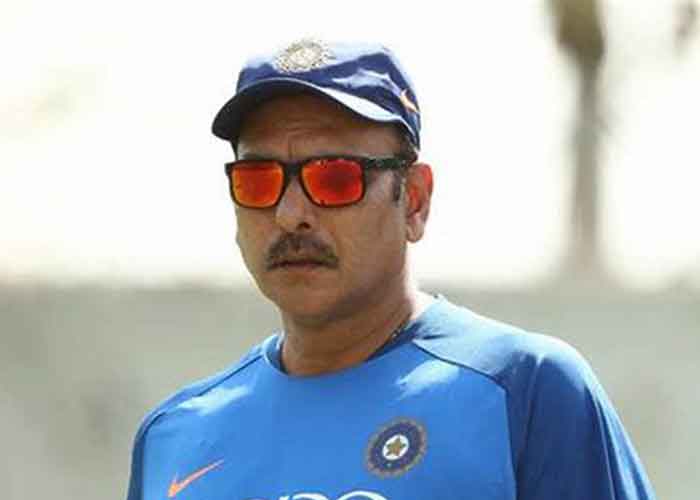
Former India head coach Ravi Shastri has recalled how legendary Australian commentator Richie Benaud shaped his approach to cricket broadcasting, sharing a valuable lesson on the importance of meaningful analysis over excessive talking.
In an interview with Sky Sports presenter Ian Smith, Shastri reflected on his early broadcasting career, which began in 1994. He said he was fortunate to work alongside some of the biggest names in cricket commentary, including Benaud, Ian Chappell, Greg Chappell, Geoffrey Boycott and David Gower.
While Greg Chappell taught him how to market and promote the game, Shastri said Benaud helped him understand the discipline required behind the microphone. He also praised Ian Chappell’s direct approach and the distinctive styles of other established commentators.
Shastri recalled seeking Benaud’s assessment after completing a summer covering an England tour for Test Match Special and the BBC. The Australian legend offered advice that stayed with him throughout his broadcasting career.
“I asked Richie at the end of it, Richie, how do you think it went? He said, Ravi, you don’t have to worry. Just remember you are paid for not the number of words you speak but the content of your speech,” Shastri recalled.
Benaud further explained that television commentators should avoid repeating what viewers can already see on the screen.
“If the picture doesn’t tell the story, if you can’t add to the picture, then shut up,” Shastri quoted him as saying.
The former India all-rounder said the advice helped him recognise the fundamental difference between radio and television commentary. While radio broadcasters must create a picture through words for listeners, television commentators should provide insight and information that adds to the visuals.
Shastri also emphasised that a lasting career in cricket broadcasting requires genuine passion for the sport. He said the enthusiasm to remain involved over several decades comes from a deep love and understanding of the game.
Describing commentary as a privilege, he praised the opportunity to work alongside broadcasters who understand both cricket and the discipline of television presentation.
 FOLLOW NOW