
Tehran, April 6, 2026
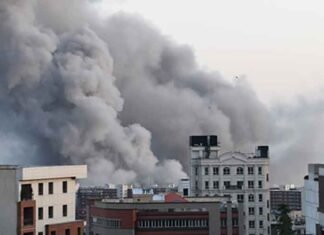
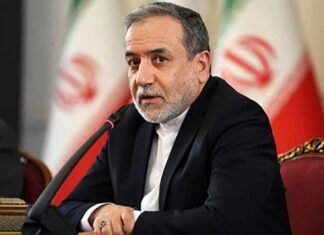
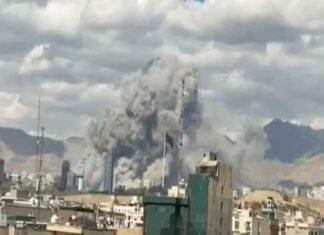
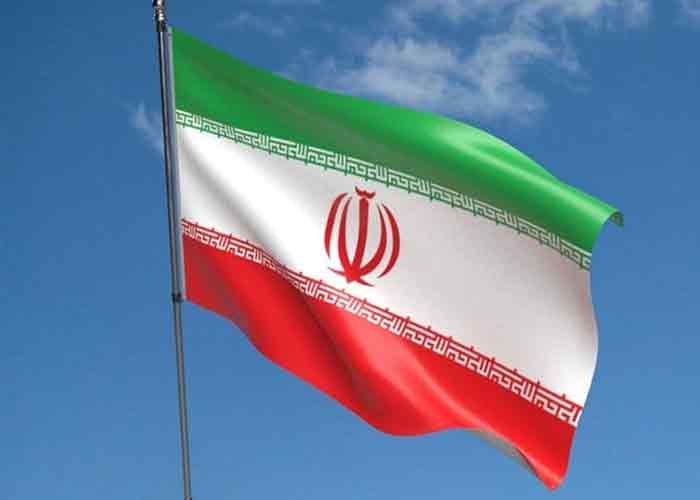
Iran on Monday warned of “much more devastating” and extensive retaliation if its civilian targets are further attacked.
“If attacks on civilian targets are repeated, the next stages of our offensive and retaliatory operations will be much more devastating and widespread,” said a spokesman for the Khatam al-Anbiya Central Headquarters.
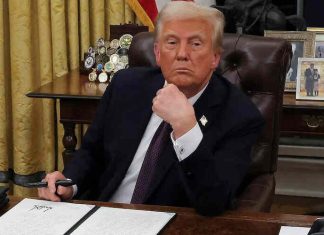
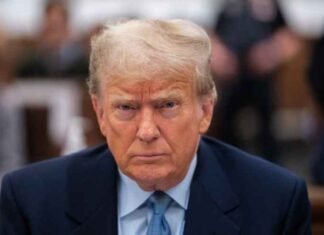
Earlier, US President Donald Trump threatened to destroy Iran’s civilian infrastructure if the Strait of Hormuz remains closed.
In another development, Ali Akbar Velayati, adviser to Iran’s supreme leader, warned on Sunday that the resistance front could target the Bab el-Mandeb Strait, reports Xinhua news agency.
“If the White House thinks of repeating its stupid mistakes, it will quickly realise that the flow of global energy and trade can be disrupted with a single signal,” Velayati said on social media, hinting at the possible closure of the waterway.
Connecting the Red Sea to the Gulf of Aden, the Bab el-Mandeb Strait is a key chokepoint for shipping between the Atlantic, Indian Ocean and Mediterranean.
Trump signalled potential large-scale strikes on Iranian infrastructure if Tehran does not comply with US demands, outlining a hardline stance in an interview with The Wall Street Journal.
Trump warned that Iran could face widespread destruction of key assets, including power plants and bridges, if it fails to act within a set timeline.
“If they don’t do something by Tuesday evening, they won’t have any power plants, and they won’t have any bridges standing,” Trump told The Wall Street Journal.
He added that Iran could lose “every power plant and every other plant they have in the whole country”, indicating the scale of potential strikes.
The remarks come amid rising tensions over the Strait of Hormuz, a critical global oil route, and follow a series of warnings from Trump urging Tehran to reopen the waterway.
Trump suggested that Iranian leaders may still be open to negotiations, even as he maintained a hardline position.
“We have it under control, seriously under control,” he said in the interview, signalling confidence in the US approach.
The comments reflect a strategy that combines pressure with the possibility of talks, as Washington seeks to force concessions from Tehran.(Agency)
 FOLLOW NOW