
India is entering a new phase of governance. It is not loud. Yet, it is real and already underway. Across cities, a shift is visible in how systems respond to stress. The old habit of reacting after damage is slowly giving way to anticipation. For decades, Indian cities have functioned in response mode. Pollution rises; restrictions follow.
Traffic collapses; advisories come later. Heat waves hit; schools adjust after discomfort spreads. Health systems step in only after harm is visible. This model has reached its limits. Urban pressure has grown too complex for delayed responses.
Today’s challenges are no longer isolated. Air quality affects health. Health affects productivity. Productivity affects mobility. Mobility affects mental well-being.
No single department or ministry can solve these in parts. What India is witnessing now is the early formation of integrated governance; systems beginning to talk to each other. The next governance shift will not be about technology headlines. It will be about reducing daily shocks for citizens. Technology will work quietly in the background.
A National Pattern Takes Shape
This shift is not limited to one city. Signals are emerging across India’s metros. Hybrid work is no longer treated as an exception. It is slowly becoming a structural choice. Companies are adjusting work hours. Institutions are rethinking physical attendance.
This is about managing stress. Environmental data is influencing decisions more directly. School timings are adjusted during heat waves. Construction pauses during pollution peaks. Traffic rules change during emergencies. These steps may look temporary, but together they indicate a bigger change. Cities are beginning to respond to conditions.
India’s digital public infrastructure has matured. Sensors exist. Real-time data exists. What was missing earlier was coordination. Now, citizen pressure is forcing alignment. People want fewer surprises. Less chaos. More predictability in daily life. This is where AI quietly enters governance. It links pollution levels with traffic flow.
It connects health stress with commuting time. Each city will adapt this differently. Mumbai will focus on movement and space. Chennai will prioritise climate resilience. Bengaluru will work on distributing work locations. Hyderabad will deepen digital delivery. The model will vary, but the principle remains the same. Anticipate early. Adjust gradually. Reduce harm before it escalates.

Delhi Tests Nation’s Future
Delhi faces maximum stress with maximum visibility. It has little choice but to adapt. Air pollution forced an early change. Real-time air quality monitoring is active. GRAP protocols respond to data, not opinion. Schools close. Construction stops.
Traffic is restricted. These measures are imperfect, but they mark a move toward predictive governance. The Integrated Command and Control Centre brings multiple data streams together. Traffic cameras. Emergency response. Civic complaints. Surveillance inputs. The system is not seamless yet, but the architecture exists. That matters.
Delhi’s electric vehicle policy shows another layer of integration. It links pollution control with incentives and behavior change. Citizens are nudged rather than ordered. This soft governance approach is more sustainable. Work patterns are shifting, too. During high pollution days, hybrid work is advised. Schools move online. Timings are altered.
The environment now influences how the city functions, not just how it reacts. Health data is also entering the system. Mohalla Clinics digitised primary care. Telemedicine expanded access. E-health records began connecting patient histories. These initiatives work independently today. The opportunity lies in bringing them together.
The Delhi Model of 2026
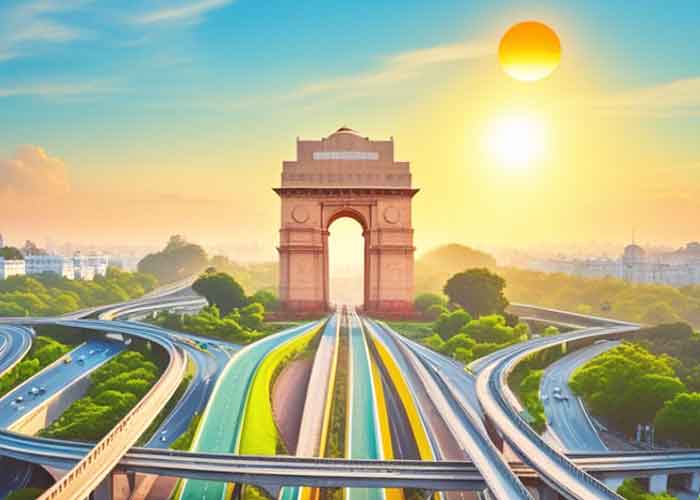
AI-assisted city management will operate quietly in the background. Pollution peaks can be predicted days in advance. Traffic flow can adjust automatically. Office hours can stagger. Public transport frequency can change dynamically.
Work will decentralise further. Neighbourhood work hubs can reduce daily commuting. Hybrid becomes the default. Health, environment, and mobility data will inform each other. Citizens will face fewer emergency bans and fewer sudden disruptions.
Delhi will not become perfect. But it can become smarter. If Delhi stabilises, other metros will adopt the approach. Delhi becomes the pilot. India becomes the network. This is not a promise. It is a trajectory. And 2026 is where the lines begin to meet.
 FOLLOW NOW