

New Delhi, March 16, 2026
Pakistan has been hit hard by the crisis in the Middle East owing to the war between Iran and Israel-United States. While it faces several headaches with regard to whether or not join the war owing to a pact with Saudi Arabia, on the economic front Islamabad has gone from bad to worse. The Middle-East crisis comes at a time when Pakistan is already economically drained.
Adding to its woes is its war with Afghanistan and its constant battle with the Tehreek-e-Taliban Pakistan (TTP) and Balochistan Liberation Army (BLA). Officials say that these battles are hitting Pakistan hard not just on the military front, but also economically.
The official said that the situation for Pakistan is so precarious that it has to protect whatever is left of its economy. Islamabad has now introduced several measures to protect its economy and has announced numerous cuts on several fronts.
A decision has been taken to keep official vehicles in the federal and provincial government departments off the road by 60 per cent. The Grade-20 officials in government offices who earn over Rs 300,000 have been told to voluntarily give up two days’ salary. This is however not applicable to those in the health and educational sectors.
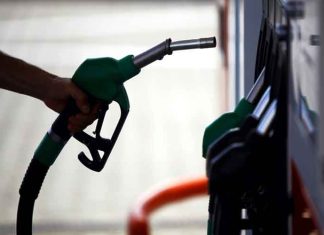
The government has also instructed members of both the provincial and federal legislatures to take a 25 per cent cut in salaries and allowances for two months. Another big step that the Pakistan government has taken is to reduce the petroleum provision for official vehicles by 50 per cent.
Cabinet ministers, ministers of state, special assistants to the Prime Minister and advisers will have to forgo their entire salary for two months. Non-essential expenditure by the federal and provincial government departments will be reduced by 20 per cent. There would be no more travelling by business class for officials.
All officials will have to travel only economy class while flying abroad. Only obligatory foreign trips can be made by ministers, parliamentarians and officials. There has been a complete ban on the purchase of new durable goods for government offices. An exception has been made to limited purchases for IT procurement after through scrutiny. All meetings in government departments will now be virtual.
This decision has been taken to reduce both travel and accommodation costs. The existing ban on purchase of new government vehicles will continue until June 2026. With the exception of the banking sector and those involved with essential services, all government offices will operate only four days a week.
Government seminars, training sessions and conferences would require prior scrutiny and approval before they could be organised.
Pakistan government has advised similar guidelines for the private sector. However it is not mandatory. Pakistan watchers say that the country is neck-deep in loan. If the crisis in the Middle-East prolongs all these measures that Pakistan has taken to cut costs would not help.
A prolonged crisis would not just hurt the Pakistan economy, but would end up toppling it, the experts say. Normally there is some uptick in business during Eid.
However, all these disruptions have slowed down retail activity and people are only purchasing essentials and not splurging as they have done in the past during the same period. Many in Pakistan are questioning the need to raise oil prices by 20 per cent on March 6. The decision which was taken to curb hoarding of oil has backfired as it has hit the people hard.
This has hurt the agriculture sector which accounts for 23 per cent of the country’s economy. The people are finding it hard to commute as the rise in oil prices has made travelling by taxis and rickshaws very expensive. This decision has also had a major impact on food delivery riders.
Their earnings have been wiped out and they are now living on charity. The riders are complaining that whatever earnings they had has been wiped out and hence they are forced to lie on charity. There has also been market volatility with the Pakistan Stock Exchange recording a historic one-day drop of 16,089 points.
Officials say that it is not just the global crisis that it is fuelling Pakistan’s collapse. It is the prolonged battle with the BLA and TTP and war in Afghanistan which is making matters worse for the Pakistan economy. In the last 20 years, Pakistan has lost $152 billion owing to the various wars, including the war on terror in Afghanistan.
Experts say that if the battle in Afghanistan continues, then matters could get even worse for Pakistan, the experts also say.(Agency)
 FOLLOW NOW