Washington, Feb 12, 2026
The Trump Administration expressed optimism about Nepal’s upcoming election, as a senior official told lawmakers that the recent political upheaval there is part of a broader wave of democratic transitions across South Asia.
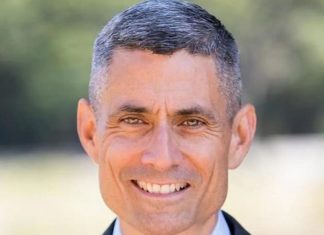
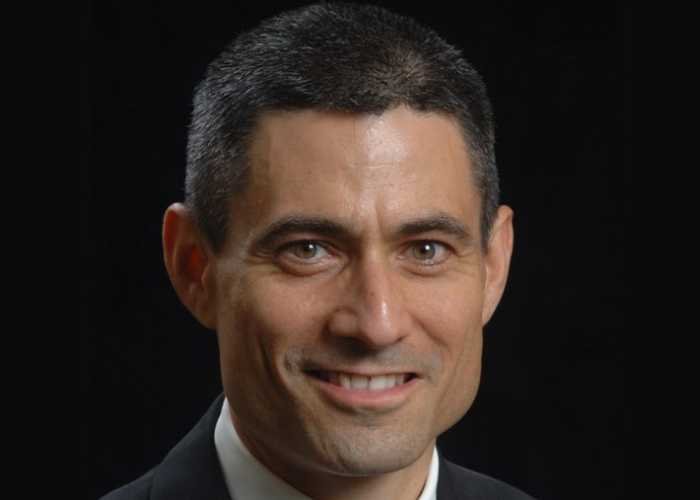
During a House subcommittee hearing on South and Central Asia on Wednesday (local time), Assistant Secretary of State for South and Central Asian Affairs Paul Kapur said Washington is prepared to work with Nepal’s next government following months of unrest.
“Our approach to Nepal is similar,” Kapur said, referencing democratic developments elsewhere in the region.
“These are both examples of youth movements, overthrowing older governments and now creating the opportunity for democratic participation in their country,” he said.
In September, Nepal experienced widespread anti-corruption Gen Z protests that led to the prime minister’s resignation and set the stage for new elections next month, lawmakers noted.
Kapur said Washington expects a smooth process.
“With Nepal, we also trust that we’ll have a secure and peaceful electoral process, and we’re prepared to work with whoever wins,” he said.
Subcommittee Chair Bill Huizenga framed the changes in Nepal and neighbouring Bangladesh as strategic turning points.
“Both of these instances offer new chapters for engagement in South Asia. Defining US relations with these new governments,” he said.
Democratic Ranking Member Sydney Kamlager-Dove described the broader transitions as opportunities.
“These major political transitions present a rare opportunity for the US to strategically leverage our democracy assistance to support growing regional demand for accountable government governance,” she said.
The discussion reflected bipartisan recognition that Nepal — strategically located between India and China — occupies a sensitive geopolitical position.
Kapur earlier emphasised that preventing domination by any single power in South Asia is a core US objective.
“A hostile power dominating South Asia could exert coercive leverage over the world economy,” he said.
The testimony suggested that Washington views Nepal’s political reset not only as a domestic democratic development but also as part of the larger strategic contest shaping South Asia.
Nepal has long navigated a delicate balance between India and China while undergoing its own internal political transformations since the end of its monarchy.(Agency)
 FOLLOW NOW