Chandigarh, March 14, 2026 (Yes Punjab News)
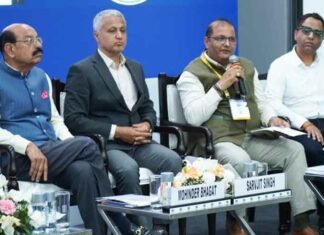
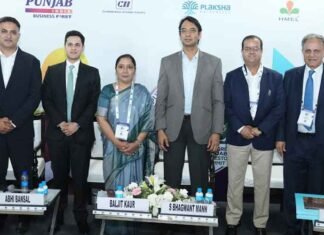
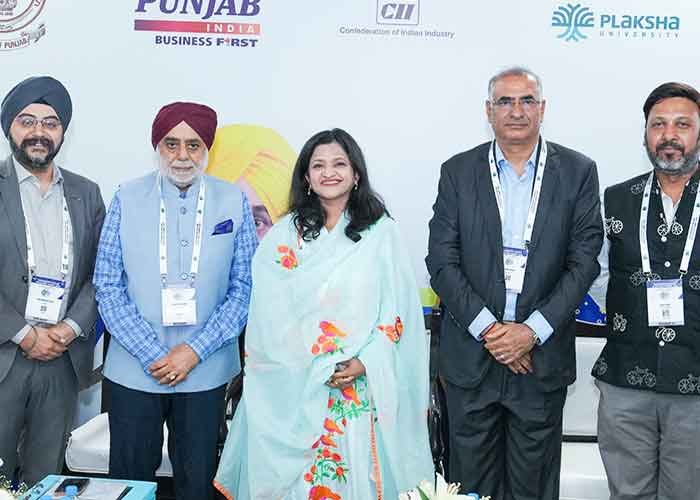
Deliberations during the session titled “Bicycles and eBikes” under the theme “From Parts to Platforms: Punjab’s Next Gen Cycles for Global Markets” underlined the state’s growing stature as a global manufacturing hub, with industry leaders asserting that policy stability, technological upgradation and ecosystem integration will drive the next phase of expansion.
Speaking on the occasion, Chairman and Managing Director of Avon Cycles, Mr. Onkar Singh Pahwa, noted that Punjab is steadily creating a business friendly operating environment with clearer timelines, digitised approvals and reduced procedural burden, enabling entrepreneurs to focus on execution and innovation.
Stressing the importance of predictability and continuity, he said initiatives such as reduced compliance load, expanded self certification for MSMEs and single point registration will accelerate project implementation and convert investment into employment, exports and industrial output.
Highlighting the relevance of the theme, he stated that Punjab possesses a strong legacy in bicycle manufacturing with more than 4000 MSME component producers and over 100 medium and large cycle manufacturers jointly producing about 2.2 million bicycles annually, making India one of the largest bicycle producing nations.
He observed that the state accounts for the overwhelming share of components and raw material capabilities, with world class tyre manufacturing adding further strength to the ecosystem.
Emphasising the shift from component centric production to platform based manufacturing, Mr. Pahwa said modern consumers seek safety, durability, comfort, performance and electric assisted mobility solutions, pointing out that diversified manufacturing, including e-bikes, e-scooters, fitness equipment and premium export oriented cycles, is the emerging pathway to sustained growth.
He added that global markets demand consistency, documentation discipline and robust quality assurance, making platform based capability building essential for long term export competitiveness.
Chairman and Managing Director of Ralson India, Mr. Sanjeev Pahwa, traced the historical evolution of the bicycle industry, stating that Ludhiana emerged as a key centre of affordable mobility in the early years after independence, driven by entrepreneurial spirit and innovation despite regulatory challenges.
He highlighted that indigenous technology and ecosystem collaboration during the 1970s and 1980s enabled the growth of tyre and tube manufacturing industries, which today serve domestic and global markets.
He observed that the industry now stands at a crossroads due to changing mobility patterns, rising affluence and preference for motorcycles, reducing bicycles as a primary commuting option. He asserted that the sector must reinvent itself by repositioning bicycles as instruments of sports, leisure, health and sustainable urban mobility.
Stressing the need for premiumisation, investment in research and development, advanced materials and supply chain strengthening, he welcomed the state’s progressive industrial policy, which encourages capital investment and technological upgradation.
Director of Hartex Rubber Mr. Varun Sureka, stated that Punjab offers a supportive industrial environment, strong manufacturing ecosystem and collaborative business culture, which makes it an attractive destination for new investments.
He pointed out that global supply chain realignments are opening new opportunities for India, particularly as European and North American markets seek reliable alternatives to traditional sourcing destinations.
He asserted that integrated mobility systems with high precision engineering, electronic integration and compliance driven manufacturing will define the future of the bicycle sector. Stressing the importance of machine capability, process discipline and skilled manpower, he said long term partnerships, innovation cycles and consistent product quality are crucial for winning global trust and expanding export footprints.
Thanking the panelists, Principal Secretary, Department of Food Processing Ms. Rakhee Gupta Bhandari appreciated the insights shared by industry leaders and highlighted the importance of continuity, policy support, skill development, safety standards and premium product positioning for sustained sectoral growth.
She stressed that evolving consumer aspirations, especially among youth, demand design innovation, technology adoption and diversified applications, including tourism mobility and recreational cycling. She urged industry stakeholders to build a robust platform ecosystem, integrating people, process and product capabilities, to position Punjab as a global leader in next generation cycling solutions.
 FOLLOW NOW