
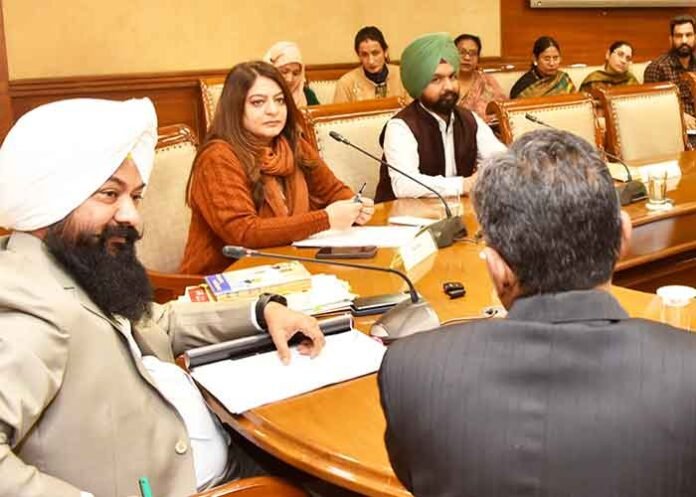
Chandigarh, February 11, 2026 (Yes Punjab News)
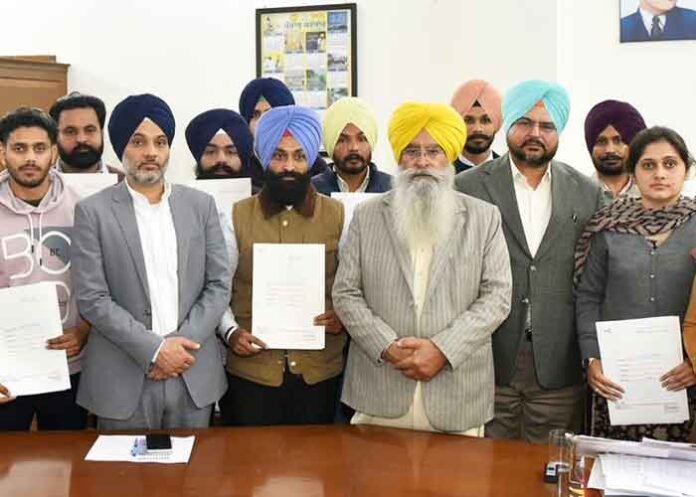
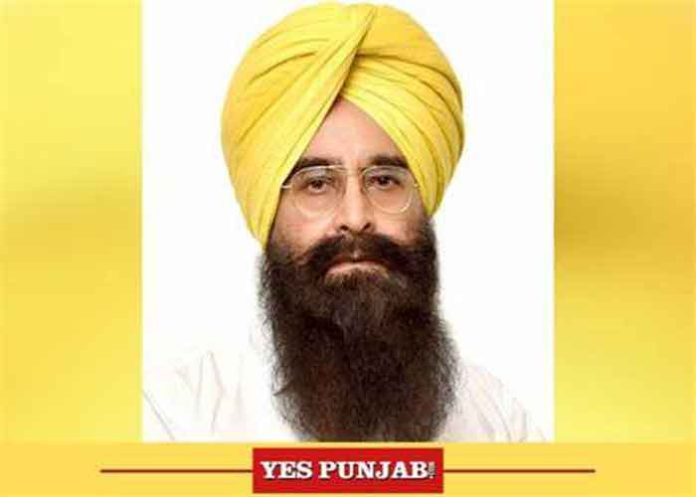
Presiding over the 28th Full Commission Meeting of the Punjab State Scheduled Castes Commission, the Chairman of the Commission, Jasvir Singh Garhi, directed the Punjab Police to further expedite the training process on SC/ST Act aiming reduction in number of complaints. Along with this, he also ordered the Social Justice Department to provide training to the Roster Register Committees on reservation issues and roster registers.
During the meeting, he directed the General Administration Department to appoint an ADC level officer as the nodal officer on the lines of Punjab Police for the disposal of cases registered under the SC/ST Act in every district so that the disposal of complaints could be expedited.
Chairman said that in today’s meeting, a report was taken from senior officers of police, local bodies, social justice and other departments regarding the status of cases registered under the SC/ST Prevention of Atrocities Act 1989.
Apart from this, a report was also taken on the establishment of a special helpline number as per the instructions given to the police department during the 27th meeting of the Commission, on the appointment of guards for the security of the Bhuriwale Gurgaddi (Garib Dasi tradition) sect’s Dham Shri Ram Moksh Dham, Khurda Tapprian (Nawanshahr) and Gaddi Nashin Acharya Shri Chetna Nand Ji Maharaj and the action taken on the Commission’s order to provide security to the members of the Commission. Apart from this, a review was also made on the security of the revered sants of Tapasthan Shri Khuralgarh Sahib and Charan Soh Ganga Shri Khuralgarh Sahib.
S. Garhi said that apart from this, the officials of the Social Justice and Empowerment Department were ordered to expedite the construction work of Ambedkar Bhawan in Barnala, Fazilka, Malerkotla, Pathankot, Sahibzada Ajit Singh Nagar.
He said that Ambedkar Bhawan at Tarn Taran will be completed by March 2026. Information was also sought from the Director of Local Governments regarding the early disposal of pending cases regarding compassionate employment to the families of sanitation workers who died on duty in municipal councils, which was found commendable.
He said that the Social Empowerment Department has written a letter to the government to increase the capacity of 50 students at Ambedkar Institute Mohali to 100. He directed the department to complete the action regarding 59 fake Scheduled Caste certificates pending for investigation in a timely manner.
In today’s meeting, Member Secretary of the Commission Dr. Nayan Jassal, Members Rupinder Singh Sital, Gurpreet Singh Ittanwali, Gulzar Singh Bobby, Additional Director General of Police of Punjab Police Mr. Kostub Sharma, Director Local Government Mr. Kulwant Singh, Director Social Justice, Empowerment and Minorities Ms. Vimi Bhullar, besides AIG Surinderjit Kaur, Mr. Gautam Singhal, AIG Training Police Department and officers of many departments were present.




Experts recall UPA’s ‘nuclear concessions’ as Rahul Gandhi alleges ‘sellout’ over India-US trade deal
New Delhi, Feb 11, 2026
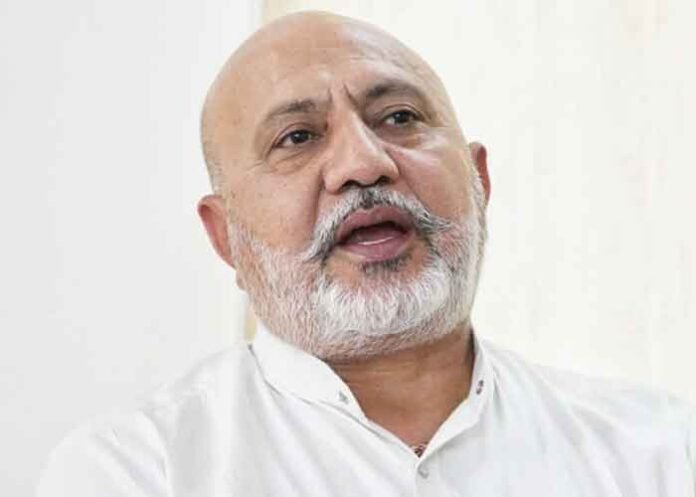
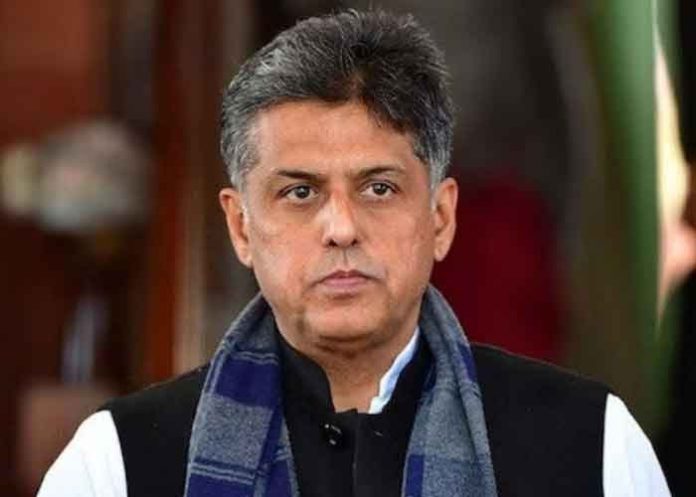
Congress MP and Leader of Opposition in Lok Sabha, Rahul Gandhi’s charge that the present government has “sold out Bharat Mata” over a trade and tariff framework with the United States would carry more weight if his own party’s record did not tell a very different story, say political observers.
Before accusing others of compromising national interest, it is worth revisiting what happened in 2008, when the Congress-led UPA government negotiated and signed the Indo–US Civil Nuclear Agreement, often celebrated by them as a historic diplomatic triumph, analysts argue.
The 123 Agreement was projected as a breakthrough that would end India’s so-called “nuclear isolation.” And indeed, it did open doors to global nuclear commerce and secured a waiver from the Nuclear Suppliers Group. But unfortunately, that access came with explicit, binding commitments that reshaped the structure of India’s nuclear programme in ways that critics even today describe as deeply intrusive.
Under the agreement, India was required to submit a formal “Separation Plan”. This was not a symbolic gesture. “India had to divide its nuclear infrastructure into civilian and military streams and place the entire civilian programme under permanent International Atomic Energy Agency (IAEA) safeguards.” Fourteen out of twenty-two power reactors at the time—including future civilian facilities—were brought under inspection “in perpetuity.” In simple terms, a large segment of India’s energy infrastructure was opened to continuous international monitoring.
According to observers, the United States made its expectations clear. In its own statement, it declared: “India has committed to separate its military and civil activities and submit its entire civil program to international inspection.” This was not an interpretation by critics; it was Washington’s official position.
The Hyde Act, a US domestic law that operationalised the deal, required the US President to submit annual compliance reports to the US Congress regarding India’s conduct, say nuclear watchers. Effectively, an aspect of India’s sovereign programme became subject to foreign legislative scrutiny, they add.
By agreeing to perpetual safeguards and restrictions on the transfer of enrichment and reprocessing technologies, India accepted limits that affected its long-term three-stage nuclear vision and closed fuel cycle strategy, experts explain. Moreover, the arrangement was linked to India’s unilateral moratorium on nuclear testing, creating strategic constraints in a volatile regional security environment.
At the time, this was hailed by the UPA as one of its greatest achievements. “Yet today, the same political leadership questions the patriotism of a government negotiating trade terms that are transparent, reciprocal, and subject to parliamentary oversight,” experts argue. According to them, sweeping accusations about “selling out” ring hollow when viewed against history.(Agency)