
Mumbai, March 11, 2026
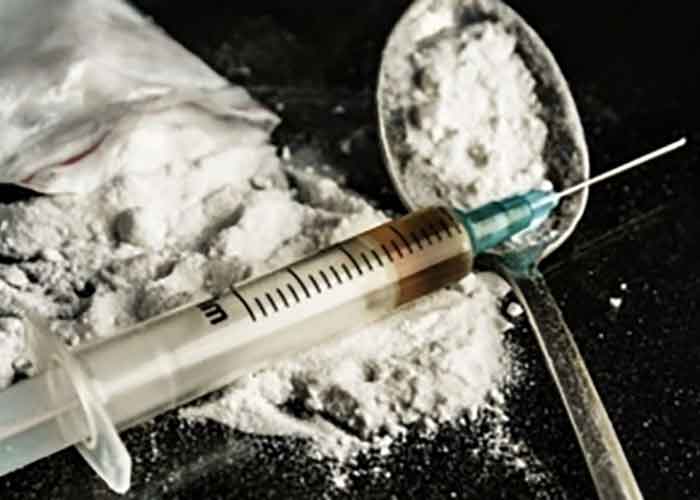
Maharashtra government has launched a massive crackdown on drug trafficking, adopting a “Zero Tolerance” policy against the narcotics menace.
The stringent Maharashtra Control of Organised Crime Act (MCOCA) has already been invoked in 14 different cases, announced Minister of State for Home, Yogesh Kadam, during the Question Hour in the Legislative Council on Wednesday.
He was responding to a query raised by member Shashikant Shinde. Other members, including Satej Patil, Anil Parab, and Pravin Darekar, also raised supplementary questions regarding the rising drug issue.
Minister Kadam said that the government has established a dedicated task force aimed at dismantling the entire drug supply chain, from manufacturers to street-level dealers.
Action is not limited to distributors; those supplying raw materials and providing direct or indirect support to drug syndicates are also being booked under MCOCA.
He emphasised that the government is committed to a drug-free state and will not hesitate to take the harshest legal actions possible.
Referring to a specific high-profile case in the Jawali taluka of Satara district, the Minister confirmed that 11 accused individuals have been arrested.
All suspects in this case have been charged under MCOCA, and a rigorous investigation is currently underway to uncover further links.
He noted a concerning trend where drug manufacturing units are being set up in abandoned factories or sheds in rural areas.
“To combat this, the Police department and the Maharashtra Industrial Development Corporation (MIDC) administration have launched joint inspection drives. Police machinery across rural Maharashtra has been placed on high alert to identify and shut down clandestine labs. This aims to cripple the financial and logistical backbone of organised drug cartels operating within the state,” he said.
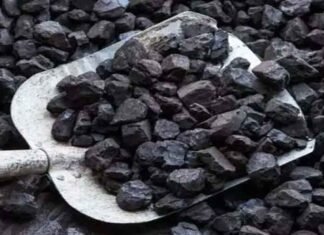
Meanwhile, Minister Shambhuraj Desai informed the Legislative Council today that a joint meeting of relevant departments will be convened shortly to address critical issues in Chandrapur district, including pollution caused by coal transportation, overloaded vehicles, and deteriorating road conditions.
He stated during Question Hour that the meeting involving the Environment, Transport, and Home departments will be held immediately after the conclusion of the current assembly session.
The announcement came in response to a query raised by member Uma Khapre, followed by supplementary questions from members Pravin Darekar, Abhijit Vanjari, Krupal Tumane, and Parinay Phuke.
Minister Desai highlighted several strategic steps the government is taking.
“To curb the issue of heavy vehicles carrying coal beyond permissible limits, the Police Traffic Branch and the Transport Department have been directed to take stringent action. New regulations will make high-quality covers mandatory for all coal-transporting vehicles. The Environment Department will provide specific technical requirements for these covers to ensure dust suppression,” he said.
He further announced that instructions have been issued to increase the number of “Flying Squads” from both the Police and RTO departments to monitor and stop overloaded transport. Road repair works in Chandrapur have already been sanctioned using the District Mineral Foundation (DMF) funds.
Additionally, water-sprinkling systems are being deployed along roadsides to prevent dust from rising.
Minister Desai said that, to reduce the burden on road infrastructure, Western Coalfields is implementing a project worth approximately Rs 480 crore.
This project aims to shift the transportation of nearly 10 million tonnes of coal from roads to railway lines.
Addressing the public health impact, Minister Desai further noted, “To manage health issues arising from coal pollution, instructions will be issued to set up specialised health units in district hospitals using the Corporate Social Responsibility (CSR) funds of the concerned companies.”(Agency)
 FOLLOW NOW