

New Delhi, March 1, 2026
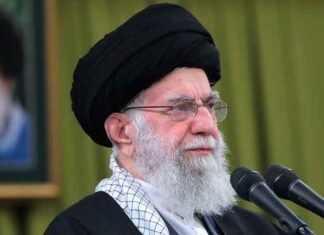
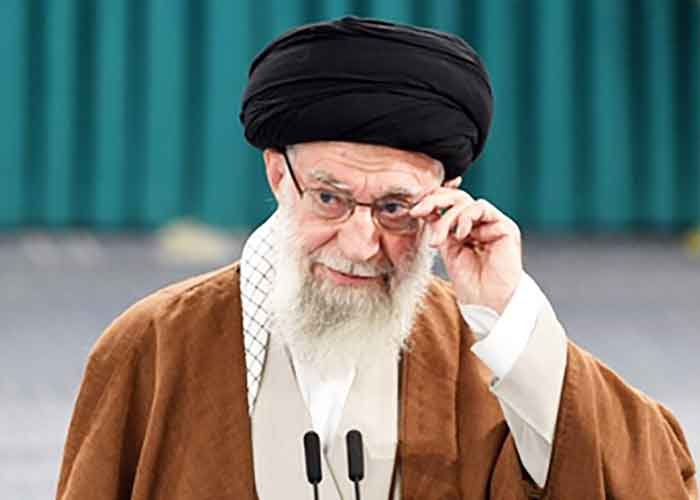
The assassination of Iran’s Supreme Leader Ayatollah Ali Khamenei may not automatically result in what the United States and Israel have described as “regime change”, diplomatic experts said, cautioning that the dramatic turn of events could have far-reaching consequences for the global economy.
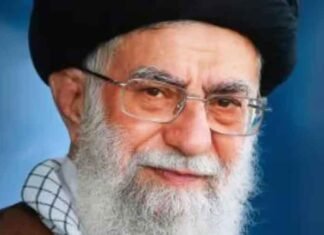
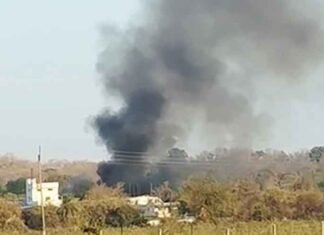
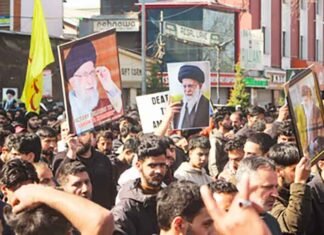
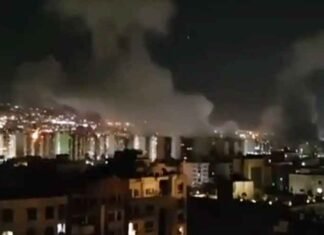
Khamenei was killed in an attack by the US and Israel, marking an inflexion point in the 46-year Shia-theocratic rule, as Tehran’s retaliation set off conflagrations in a swath of the Middle East.
Speaking to IANS, former High Commissioner of India to Bangladesh Veena Sikri described the situation as grave and economically destabilising.
“It is a very serious situation and a major jolt to the world economy. We have seen that even the Dubai airport has been shut, and the economy of Dubai has been affected. The Strait of Hormuz is virtually closed. This is a significant upheaval for the global economy,” she said.
Sikri noted that the escalation came at a time when diplomatic efforts were reportedly underway.
“This has happened at a time when Oman had brokered talks between the United States and Iran, which were being held in Geneva. The initial feedback was that the talks were progressing well, and Iran had agreed to a large number of concessions. However, it now appears that those talks were merely a decoy, and Israel was determined to attack Iran. I believe Israel took the first step yesterday, after which the United States also joined in,” she added.
Former diplomat K.P. Fabian, also speaking to IANS, termed the operation a significant military success for Washington and Tel Aviv but questioned whether it would translate into political transformation within Iran.
“This is an important military victory for Israel and the United States, but this doesn’t mean that they have got closer to what they call regime change because there’s a lot of confusion about that word expression,” he said.
Fabian further suggested that the strike appeared to be based on detailed intelligence inputs.
“Israel had intelligence, probably human plus electronic, and they were able to demolish the house where the Ayatollah, his daughter, son-in-law and granddaughter were,” he added.
Commenting on Khamenei’s long tenure, former diplomat Mahesh Kumar Sachdev told IANS that the Iranian leader had pursued a pragmatic yet ideologically firm approach during his decades in power.
“For 36 years, Khamenei followed a policy of realism and theocratic supremacy, balancing various strands,” he said.
“He tried to keep the country and its Islamic revolution together. Secondly, he tried to diversify the country’s various options by negotiations, by promotion of proxies, by cleverly manipulating the neighbourhood and internal dynamic between clergy, political elite, economic powers, and judiciary. He was quite successful, even though some observers called him ruthless and unprincipled,” Sachdev added.(Agency)
 FOLLOW NOW