
New Delhi, March 20, 202
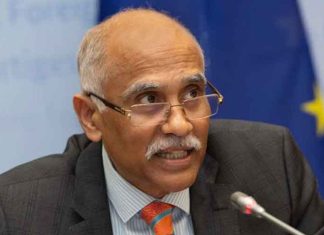
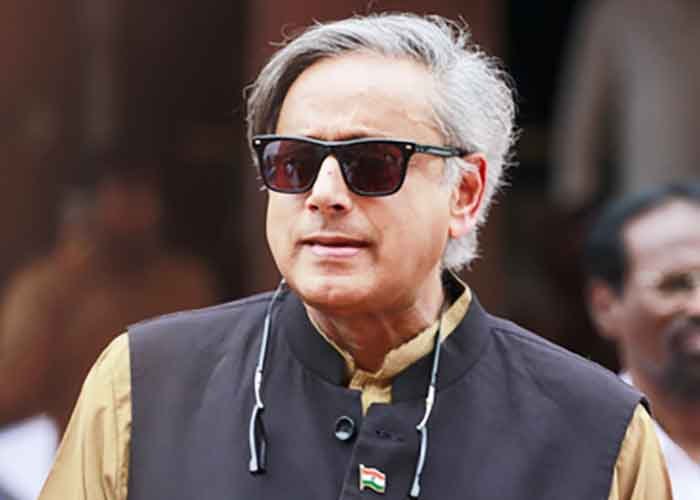
BJP National Spokesperson C. R. Kesavan on Friday praised Congress MP Shashi Tharoor for his remarks on India’s position in the ongoing West Asia conflict, calling it a welcome shift in the Opposition’s stance.
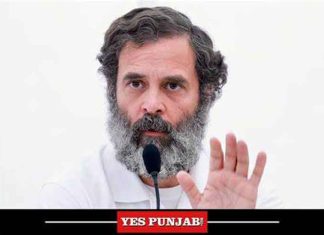
Reacting to Tharoor’s comments, Kesavan said, “Senior Congress leaders appreciating the balanced and nuanced foreign policy of Prime Minister Narendra Modi in the current global conflict is indeed a welcome change compared to Rahul Gandhi’s endless criticism of the government.”
Meanwhile, Samajwadi Party MP, Rajeev Kumar Rai struck a cautious note, distancing his party from the Congress’ internal differences. “It’s an internal matter of the Congress. Let the Congress see and comment. The Samajwadi Party plays the role of a positive Opposition and stays within the bounds of discipline,” he said.
Speaking on the West Asia conflict and Tharoor’s remark, Bihar Minister Shravan Kumar said, “This is not just a matter of discussion in Parliament; similar discussions are also important in the Vidhan Sabha… When discussions take place, significant issues can be resolved, leading to the progress of the state and the country…”
The reactions come after Congress MP Shashi Tharoor on Thursday described India’s stance on the West Asia conflict as an example of “responsible statecraft” rather than a “moral surrender.”
In an article published in the Indian Express, Tharoor suggested that India could have issued condolences on the death of Iran’s Supreme Leader, as it had done earlier when the country’s president died in a helicopter crash. However, he added, “But I will not condemn the government for choosing silence over confrontation.”
Tharoor’s remarks stand in contrast to several leaders within the Congress party who have criticised the government’s relatively muted response to the conflict, which escalated following US-Israeli airstrikes on Iran on February 28.
His statement has triggered a political debate, drawing rare appreciation from the BJP while also exposing differences within the Congress on foreign policy. Observers note that the episode reflects a broader discussion on how India balances strategic restraint with diplomatic messaging in a volatile region.(Agency)
 FOLLOW NOW