
Manila, March 13, 2026
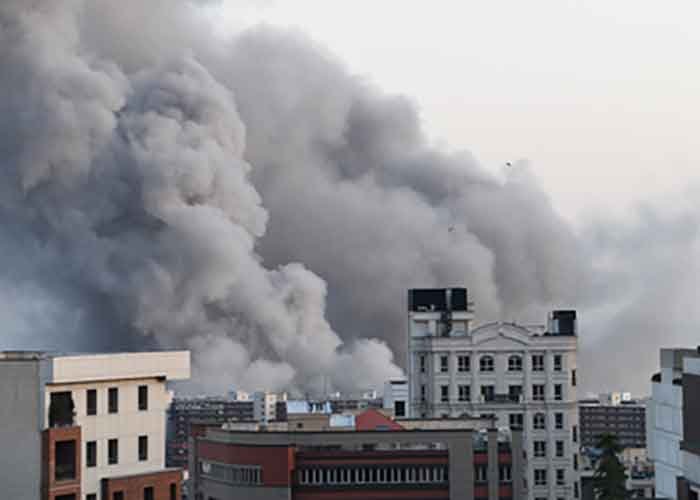
The Foreign ministers of Association of Southeast Asian Nations (ASEAN) on Friday emphasised the importance of an immediate cessation of hostilities in the Middle East, calling upon all parties concerned to exercise utmost self-restraint, avoid any acts that may further aggravate the situation, and resolve differences through diplomacy and dialogue in the interest of maintaining peace and stability in the wider region.
The ASEAN Foreign Ministers’ unified call came following a special virtual meeting on Friday which was convened to exchange views on the evolving situation in the Middle East and to address its implications for ASEAN.
“The meeting expressed serious concern over the escalation of conflict in the Middle East following the attacks initiated by Israel and the United States against the Islamic Republic of Iran on 28 February 2026, and Israeli attack on the Lebanese Republic, and the subsequent retaliatory attacks by the Islamic Republic of Iran against several countries in the region, including the Kingdom of Bahrain, Hashemite Kingdom of Jordan, the Republic of Iraq, State of Kuwait, Sultanate of Oman, State of Qatar, Kingdom of Saudi Arabia, Syrian Arab Republic, and the United Arab Emirates, which continue to heighten tensions in the Middle East, and pose a grave threat to the lives and safety of civilians, as well as to regional and global peace and stability,” read a statement issued after the meeting.
The meeting, convened by current ASEAN Chair Philippines, called on all countries to respect international law, including the Charter of the United Nations (UN Charter).
It further reiterated the obligations to protect civilians and civilian infrastructures in armed conflicts consistent with international law and relevant UN Security Council resolutions.
The participating Foreign Ministes also discussed the impacts of the conflict in the Middle East on global economic activity, particularly energy markets and maritime and air transport routes, and underscored the importance of maintaining stable, open, and reliable global energy supply chains and maritime trade routes, and minimising disruption to the flow of energy and essential goods, including food, to safeguard economic stability in ASEAN.
“The Meeting underscored the importance of strengthening regional energy security and economic resilience and emphasised the value of ASEAN solidarity, economic integration, and coordination in policy and joint effort to navigate external economic shocks and mitigate their potential impact and spillover effects on regional macroeconomic and financial stability, including finance sectors, supply chains, the cost of living as well as the lives of people across ASEAN,” the grouping stated.
The ministers highlighted the importance of strengthening regional connectivity, enhancing cooperation on energy preparedness, and advancing efforts to diversify energy sources, including renewable and alternative energy, and further emphasised the importance of facilitating trade, strengthening logistics connectivity, and reinforcing supply chain resilience to help ensure stable access to affordable essential goods, especially food and food products, across ASEAN.
The ASEAN was established in August 1967 in Thailand with the signing of the ASEAN Declaration (Bangkok Declaration) by the Founding Fathers of ASEAN: Indonesia, Malaysia, Philippines, Singapore and Thailand. Brunei Darussalam joined ASEAN in January 1984, followed by Vietnam in July 1995, Laos and Myanmar in July 1997, Cambodia in April 1999, and Timor-Leste on October 25 last year making up what is today the 11-member states of ASEAN.(Agency)
 FOLLOW NOW