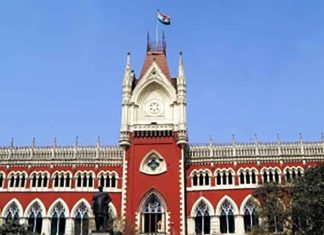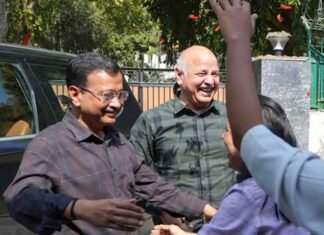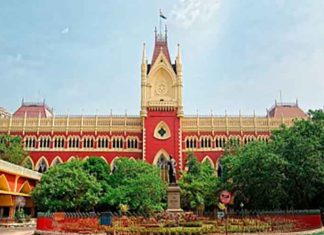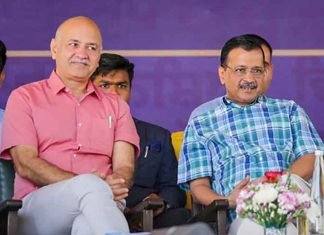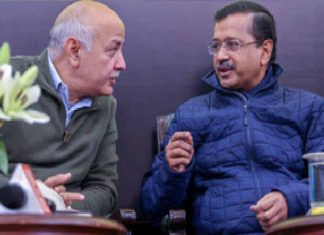

In a significant development in the Delhi Excise Policy case, the Rouse Avenue Court has acquitted former Delhi Chief Minister Arvind Kejriwal and former Deputy Chief Minister Manish Sisodia, along with 21 other accused, citing lack of evidence.
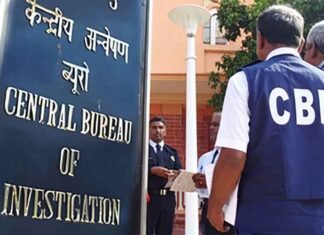
Special Judge Jitendra Singh pronounced the order after reserving judgment on February 12, following detailed arguments from both the Central Bureau of Investigation (CBI) and the defence.
The court declined to frame charges against any of the 23 individuals named in the case, effectively discharging all accused.
Court Observations: No Prima Facie Case
In its order, the court observed that the prosecution failed to establish a prima facie case of criminal conspiracy. The judge noted that the allegations lacked merit and were not supported by consistent or corroborative evidence.
The court also remarked that a fair investigation is fundamental to ensuring a fair trial. It stated that the material presented by the CBI did not substantiate the claims made in the chargesheets.
The judge reportedly observed that the prosecution’s narrative of conspiracy appeared speculative and not backed by credible material evidence.
Background of the Case
The CBI registered the case in 2022, alleging irregularities in the now-scrapped Delhi Excise Policy. The agency claimed that a “south lobby” had paid ₹100 crore to influence the policy in its favour.
The CBI filed an initial chargesheet in 2022, followed by multiple supplementary chargesheets. Arvind Kejriwal’s name appeared in the fourth supplementary chargesheet.
The list of 23 accused included:
- Arvind Kejriwal
- Manish Sisodia
- K Kavitha
- Kuldeep Singh
- Narender Singh
- Vijay Nair
- Abhisek Boinpally
- Arun Ramchandra Pillai
- Mootha Goutam
- Sameer Mahendru
- Amandeep Singh Dhall
- Arjun Pandey
- Butchibabu Gornatla
- Rakesh Joshi
- Damodar Prasad Sharma
- Prince Kumar
- Chanpreet Singh Rayat
- Arvind Kumar Singh
- Durgesh Pathak
- Amit Arora
- Vinod Chauhan
- Ashish Mathur
- P Sarath Chandra Reddy
Arguments Presented in Court
The CBI, represented by Additional Solicitor General DP Singh and advocate Manu Mishra, argued that the alleged conspiracy must be viewed in its entirety and that the sufficiency of evidence should be assessed during trial.
On the other hand, senior advocate N Hariharan, appearing for Kejriwal, contended that there was no incriminating material linking his client to the alleged conspiracy. The defence argued that Kejriwal was performing his official duties as Chief Minister and that the supplementary chargesheet naming him merely repeated earlier allegations without new evidence.
The defence also questioned the evidentiary value of certain statements, including that of an approver cited by the prosecution.
Relief for AAP Leadership
The verdict is being seen as a major relief for the Aam Aadmi Party (AAP) leadership, which had faced prolonged legal and political scrutiny over the alleged liquor policy irregularities.
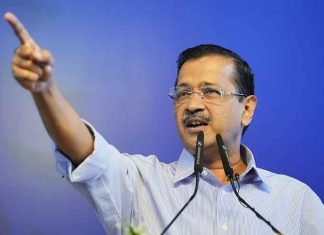
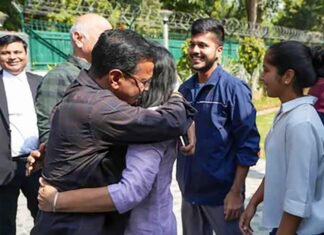
Following the verdict, Arvind Kejriwal expressed emotional relief while addressing the media, stating that the court’s decision reaffirmed his and Sisodia’s integrity.
His wife, Sunita Kejriwal, also reacted on social media, posting that truth ultimately prevails.
Wider Implications
The court’s refusal to frame charges marks a critical turning point in the CBI’s excise policy investigation. While this judgment pertains to the CBI case, other related proceedings under different agencies may continue as per law.
The decision is likely to have significant political ramifications in Delhi and beyond, particularly as it concerns senior leaders of a major national party.
Further developments are expected as the prosecution considers its legal options following the court’s order.
 FOLLOW NOW