New Delhi, Feb 11, 2026
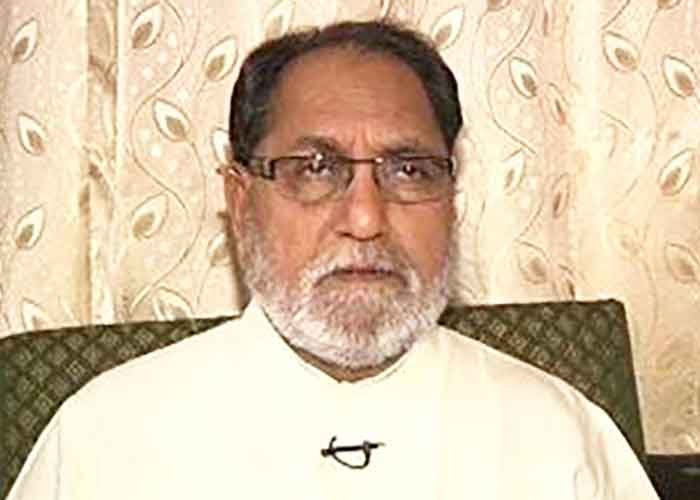
Congress leader Husain Dalwai on Wednesday criticised the Centre’s decision to make it mandatory to play or sing the complete six-stanza version of Vande Mataram at official occasions, calling the move “forceful” and claiming that it goes against earlier decisions on the national song’s recognition.
Reacting to the government’s fresh directive, Dalwai said, “This is forceful and wrong. It goes against the earlier decision. They do this deliberately…”
He further stated, “In the first stanza of Vande Mataram, it speaks about the nation, but later it refers to deities. This country is secular… Muslims do not oppose the first stanza of Vande Mataram. Therefore, by deliberately making all six stanzas mandatory, there has been an attempt somewhere to target Muslims. This is being done intentionally, which is wrong.”
Emphasising that there has historically been broad acceptance of the opening verse, Dalwai added, “Everyone says Vande Mataram and it should be respected, but only the first stanza of Vande Mataram has recognition. The committee formed for this included Shyama Prasad Mukherjee and Maulana Azad, and all of them had given recognition to it. However, all six stanzas were not given recognition.”
The Congress leader’s remarks come amid a political debate over the Centre’s newly-issued comprehensive guidelines governing the rendition of Vande Mataram at official functions.
Earlier in the day, the Union Home Ministry released detailed directives formalising the status and ceremonial role of the national song at public and government events across the country. The guidelines specify how and when Vande Mataram should be performed and outline the expected decorum from attendees, particularly in relation to the National Anthem.
As per the new protocol, the complete official version of Vande Mataram, comprising six stanzas and lasting approximately 3 minutes and 10 seconds, is to be performed or played during major state occasions. These include events such as the unfurling of the national flag, formal arrival and departure ceremonies of the President and Governors at official programmes, and before and after their scheduled addresses at such functions.
The directive underscores adherence to proper conduct during the rendition, placing greater emphasis on its observance at state and institutional gatherings.(Agency)
 FOLLOW NOW