

New Delhi, October 5, 2026 (Yes Punjab News)
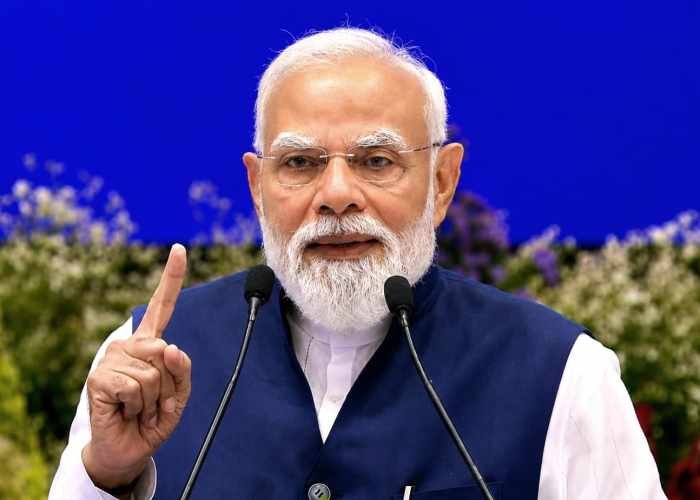
Prime Minister Narendra Modi on Monday said the next phase of Goods and Services Tax (GST) reforms will simplify compliance and improve the refund process, giving businesses greater confidence to invest and expand.
He said the reforms would strengthen the foundation for a “Viksit Bharat”.
The Prime Minister was referring to an article by Union Finance Minister Nirmala Sitharaman, who outlined the government’s plans for the next phase of GST reforms and said the next-generation GST framework was making taxation simpler and more predictable while supporting businesses and households.
In a post on X, Sitharaman said the next-generation GST reforms were delivering the twin objectives of providing relief to taxpayers and giving greater momentum to the economy.
She said the next phase would focus on simplifying compliance across areas including registration, returns, refunds, dispute resolution and the flow of input tax credit.
Sitharaman has outlined the government’s case for the proposed process reforms ahead of the GST Council meeting scheduled for October 7.
In her article, the Finance Minister said the proposed changes would aim to reduce the time and cost involved in compliance for taxpayers by streamlining procedures related to registration, returns, refunds, dispute resolution and input tax credit.
She also highlighted the performance of GST collections and taxable supplies following the rate rationalisation that came into effect on September 22, 2025.
The forthcoming GST Council meeting is also expected to consider whether the stand-alone provision allowing tax officials to arrest taxpayers under investigation should be removed, amid concerns over its alleged misuse, a senior official said.
The proposal forms part of broader recommendations by the GST Council’s Law Committee on decriminalising provisions of GST laws, particularly in cases where failure to pay tax may not have been deliberate.
If approved, the change would mean that tax officials would no longer have the power under Section 69 of the Central Goods and Services Tax (CGST) Act to arrest a taxpayer during a GST investigation.
Under the existing framework, the Commissioner can authorise an arrest under Section 69 where there are reasons to believe that a person has committed specified serious offences covered under Section 132.
The current proposal envisages that serious cases involving fake invoicing, fraudulent input tax credit claims and fraudulent refunds could be taken up for criminal prosecution under the general criminal law provisions of the Bharatiya Nyaya Sanhita (BNS).
The GST Council’s Law Committee comprises officials from the Centre and the states. It examines legal provisions under GST laws and recommends statutory amendments and clarifications to the GST Council.
 FOLLOW NOW